
Residue(s)
of Ritual 2046
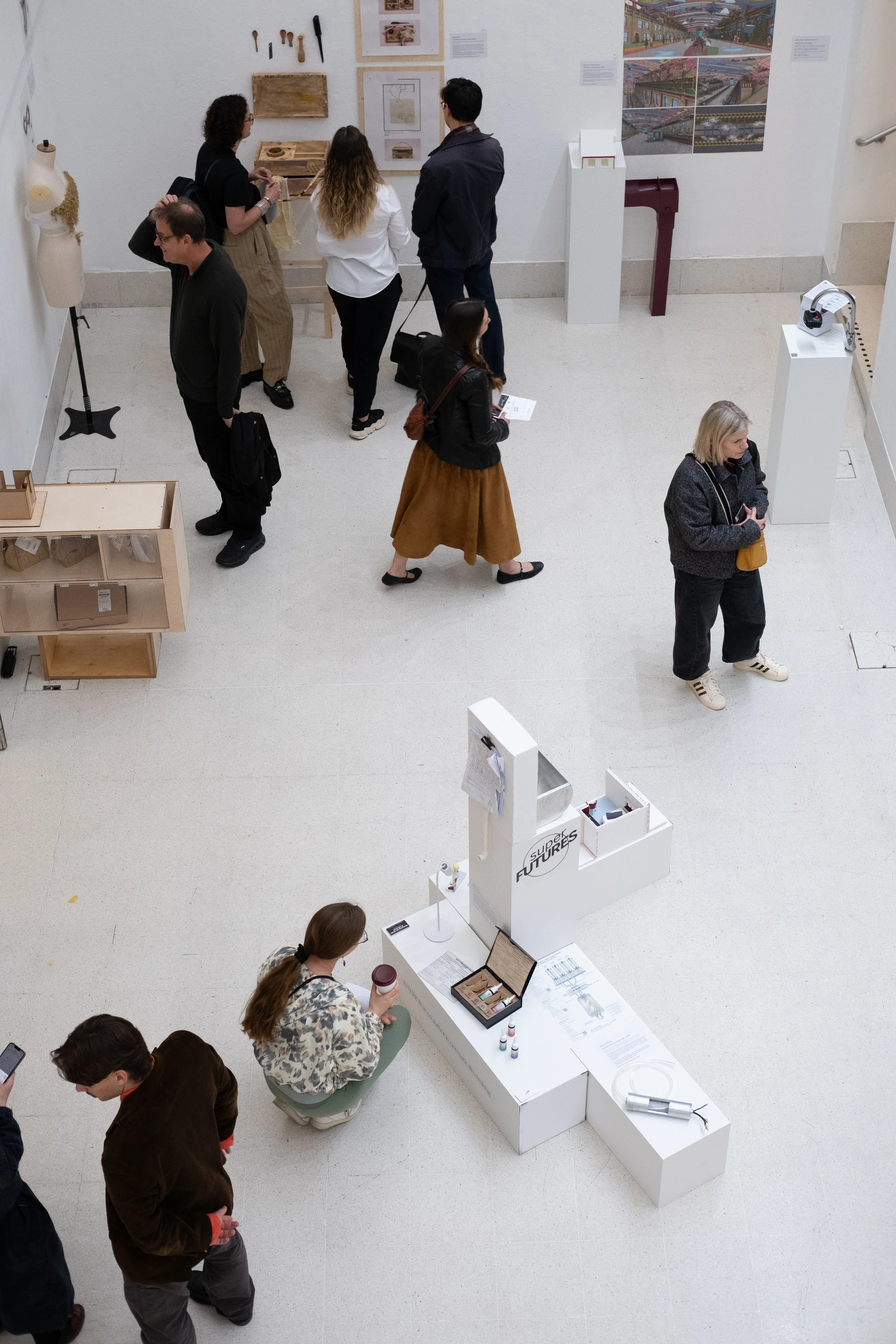
Bringing together speculative artefacts, spatial fragments and micro environments, the exhibition asks what has been preserved, displayed and archived as testimony to how societies lived, loved, gathered, cared and resisted across these years. We stage multiple possible worlds through the traces they leave behind, inviting audiences to encounter future lives through what remains.
What physical traces remain? What evidence has been preserved, displayed, and archived as testimony to how societies lived, loved, gathered, cared, resisted in these years?
This work is developed through the RCA School of Architecture elective Spatialising Futures - a 10-week introductory module to futures literacy for spatial designers - the exhibition sits at the intersection of behaviours, spatial design and design fiction.
In 2046, curators look back at the rituals and routines of the previous twenty years, 2026 to 2046, through their physical remains and material afterlives.
Elective 25 - 26.
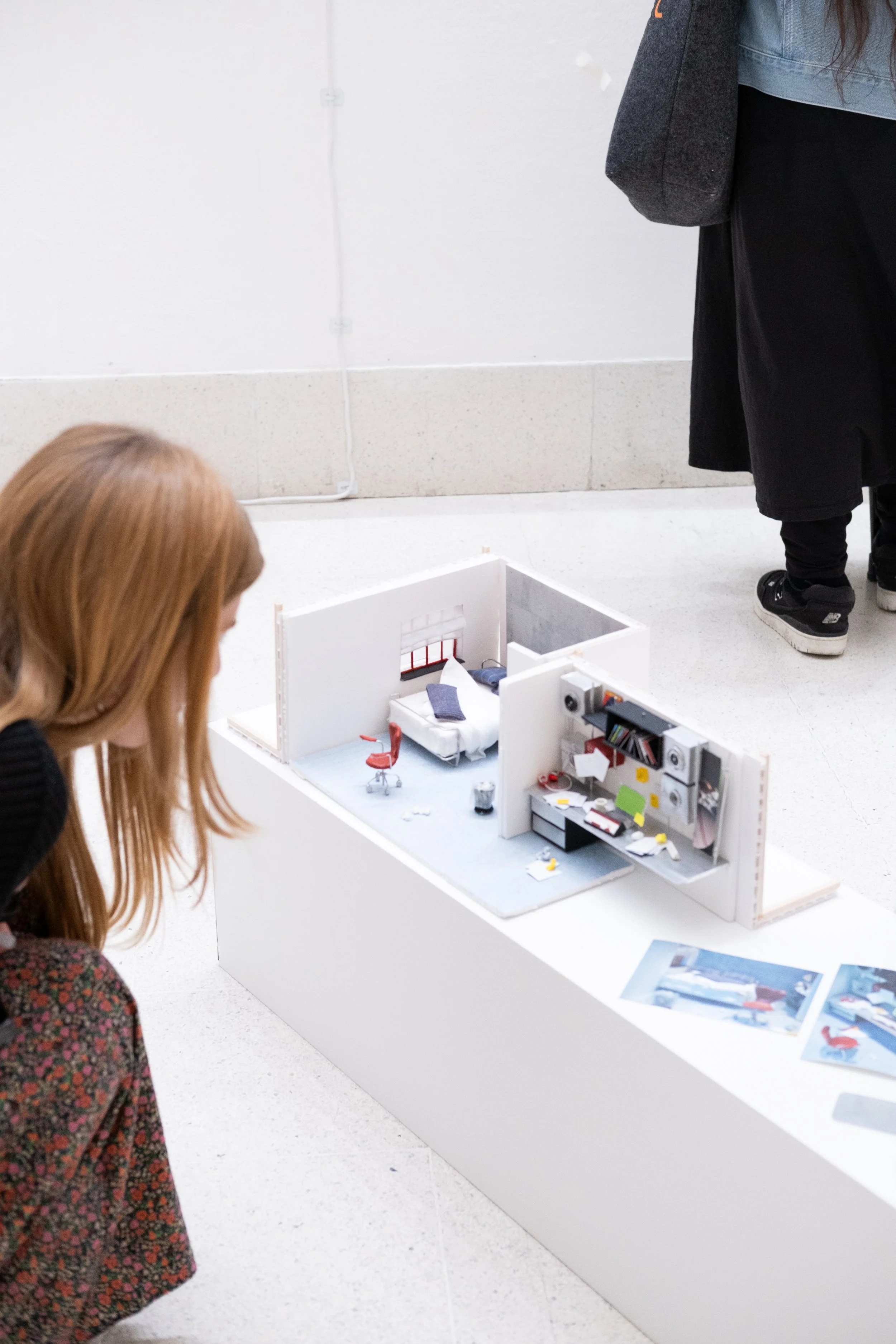
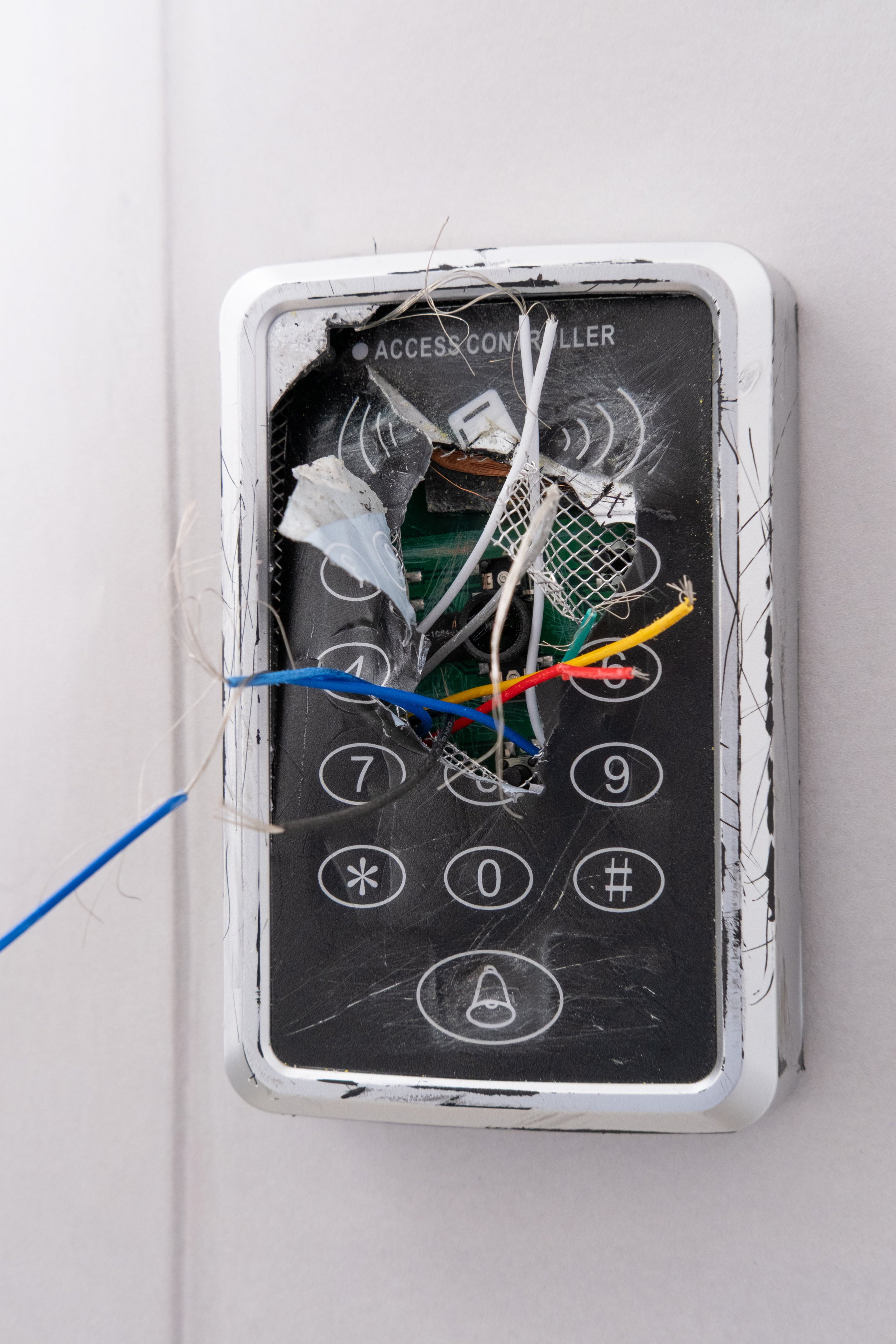
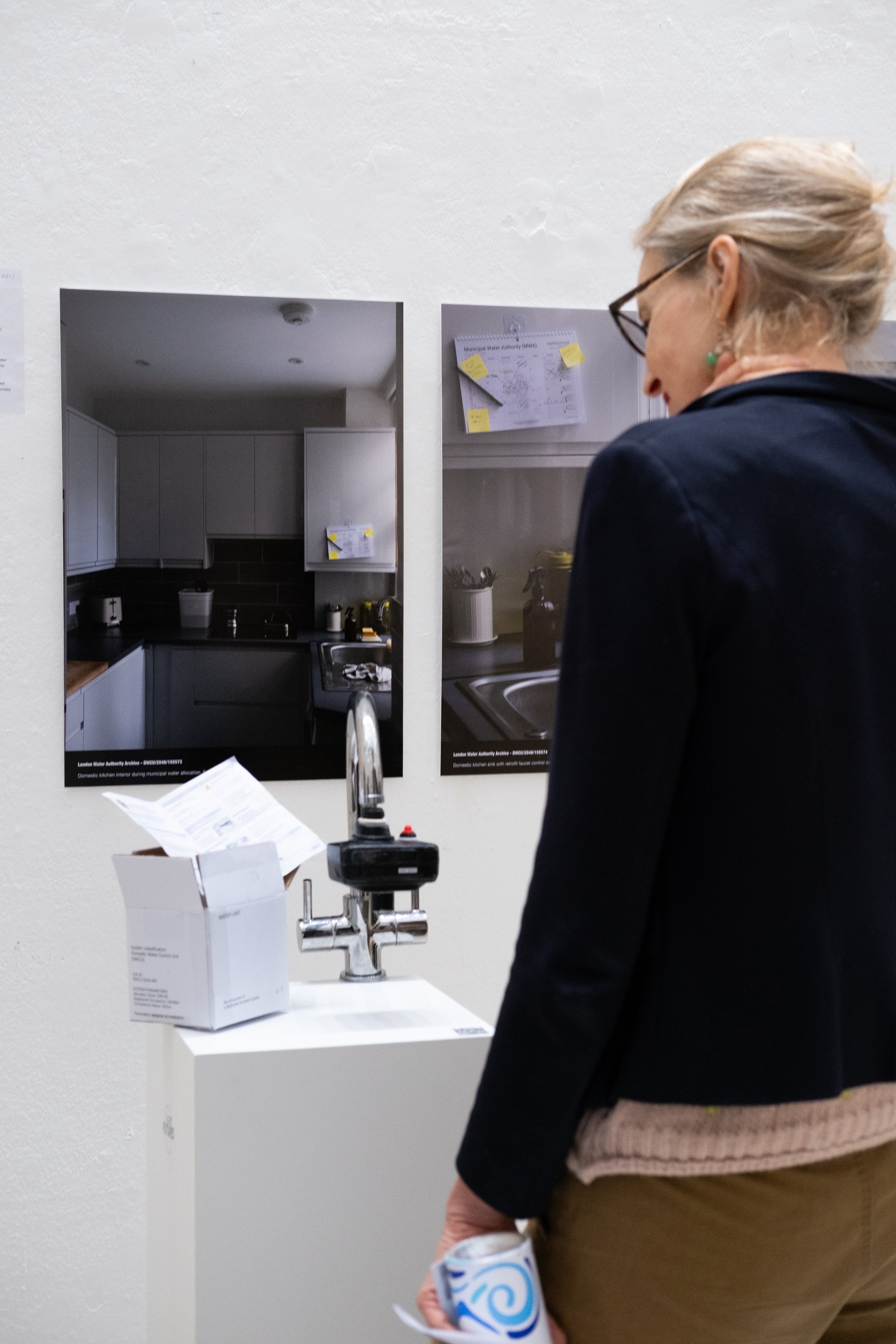
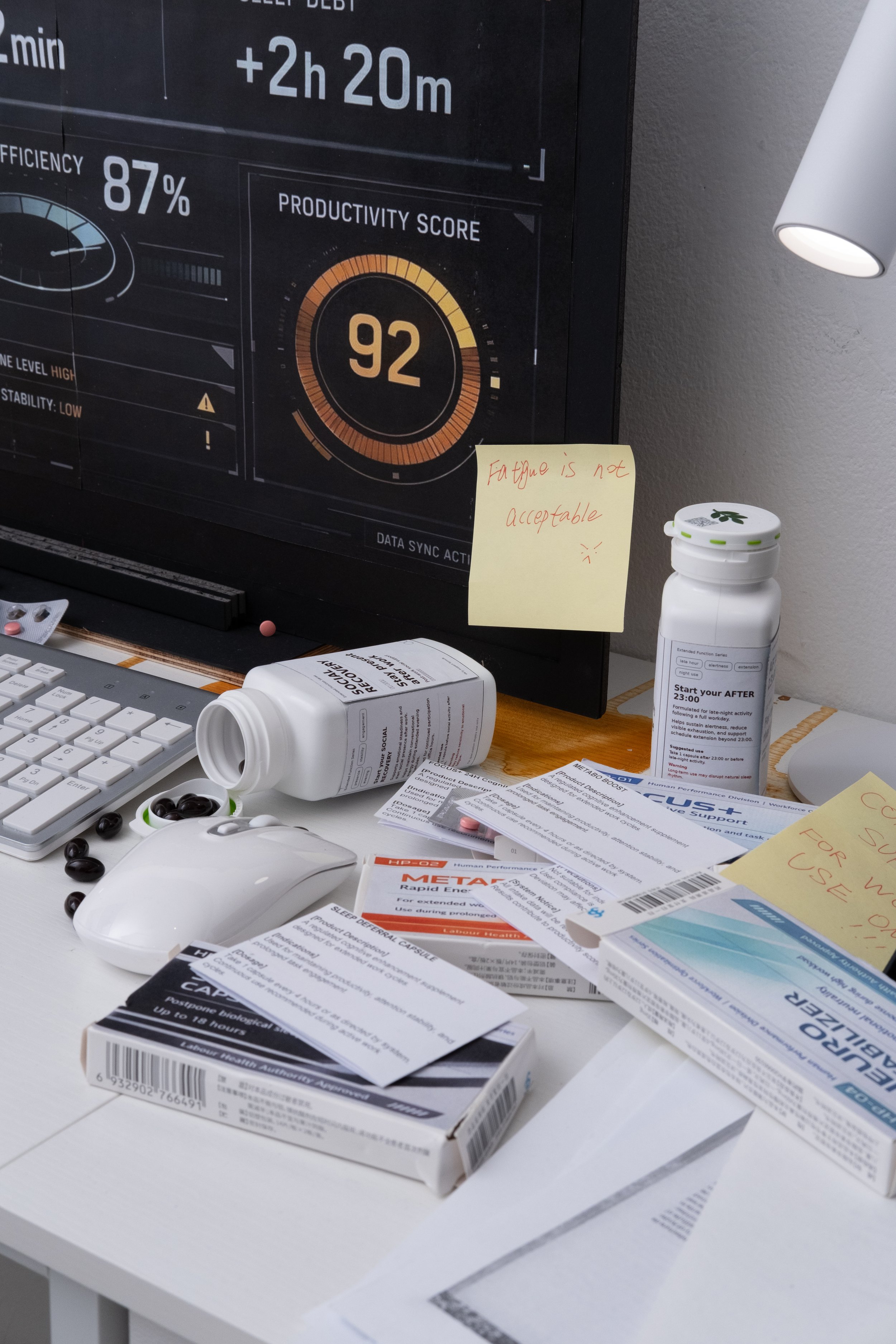
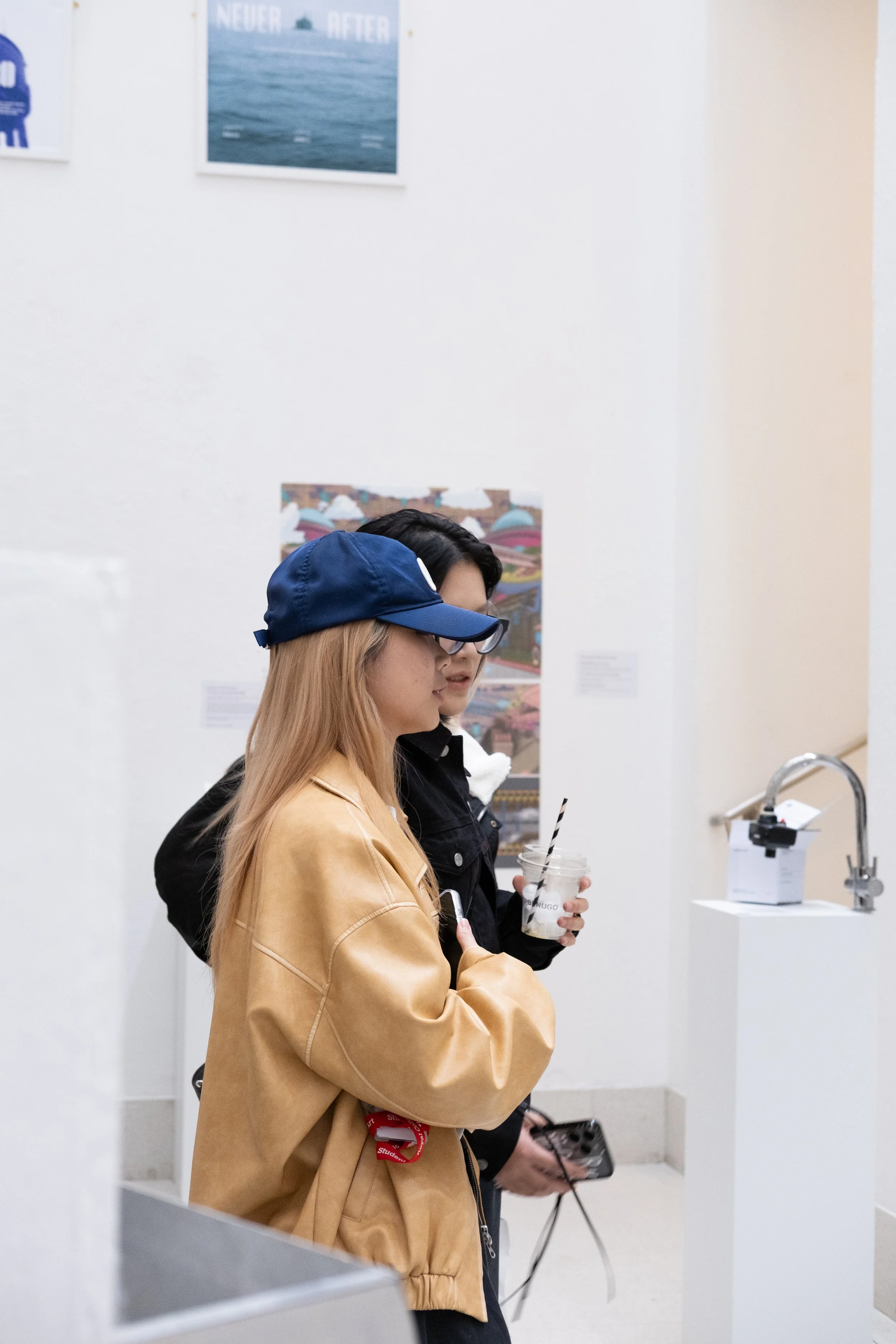
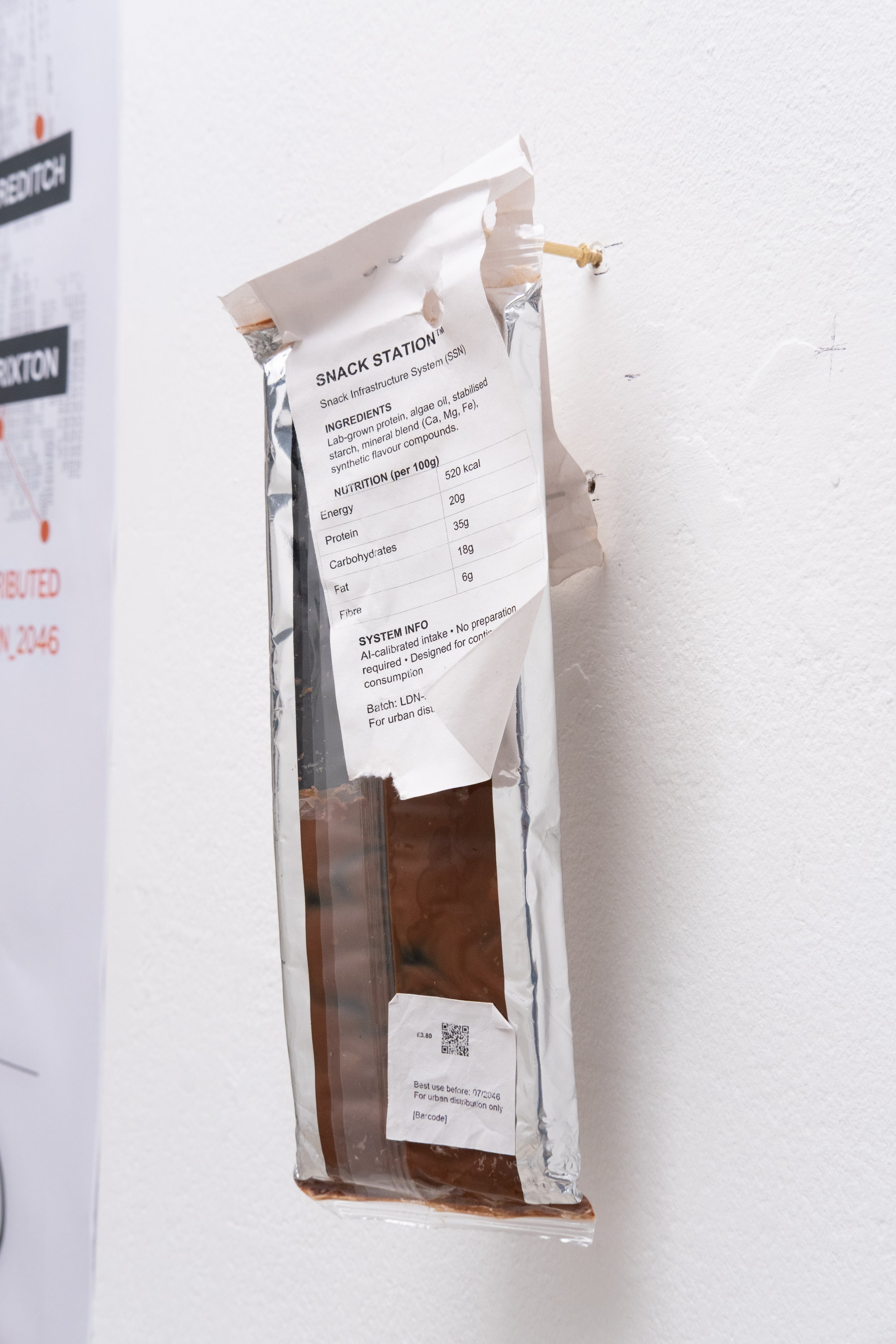
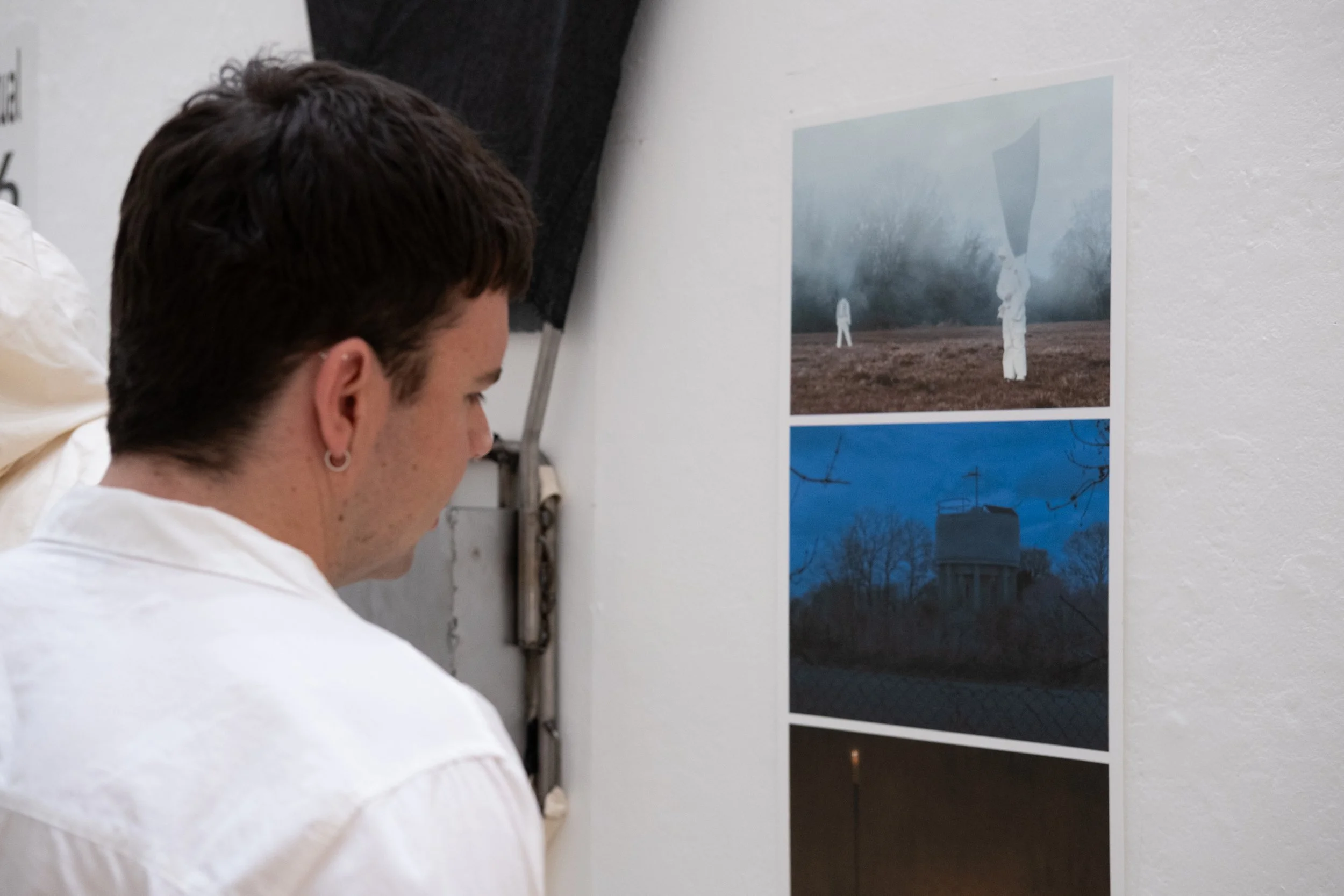
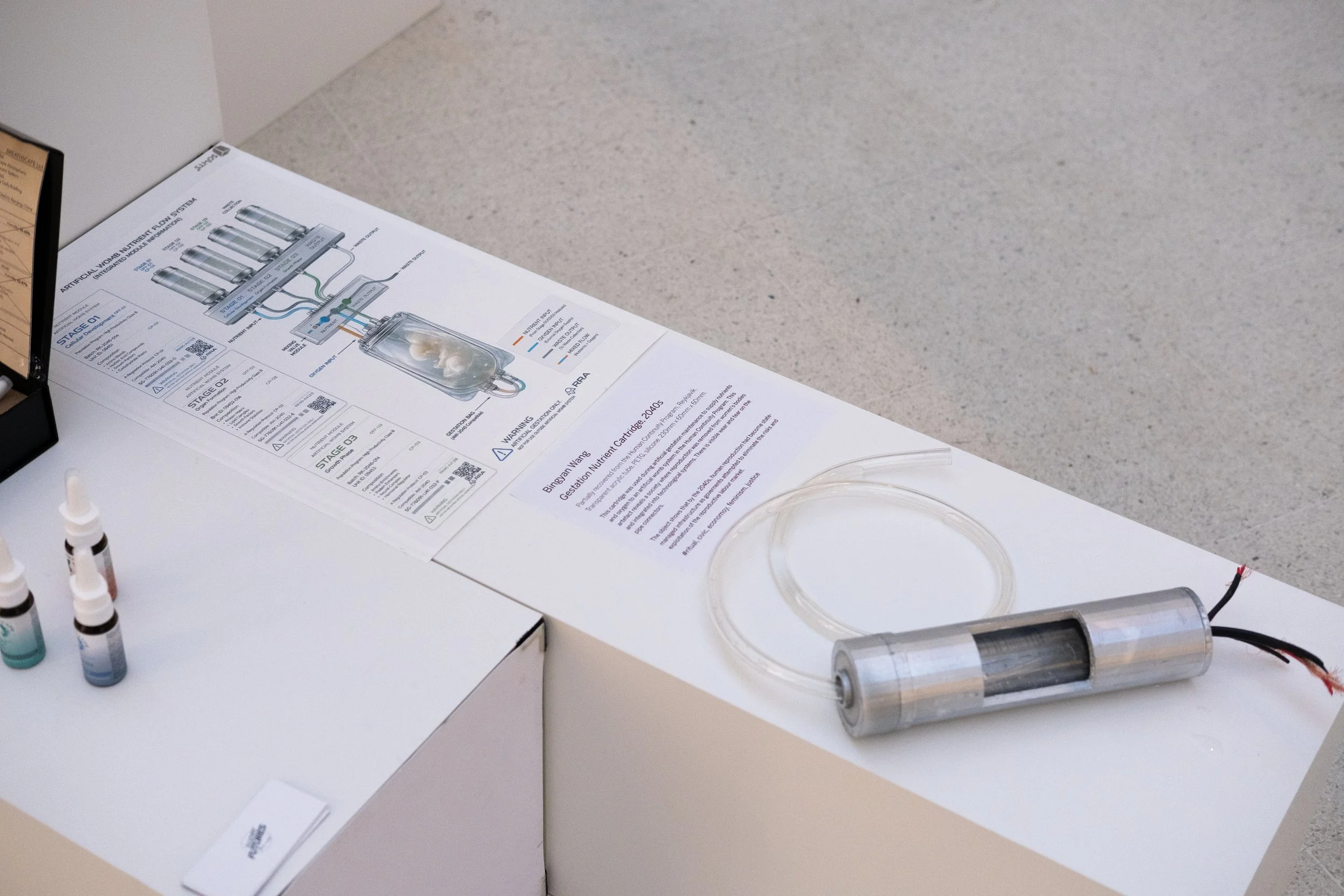
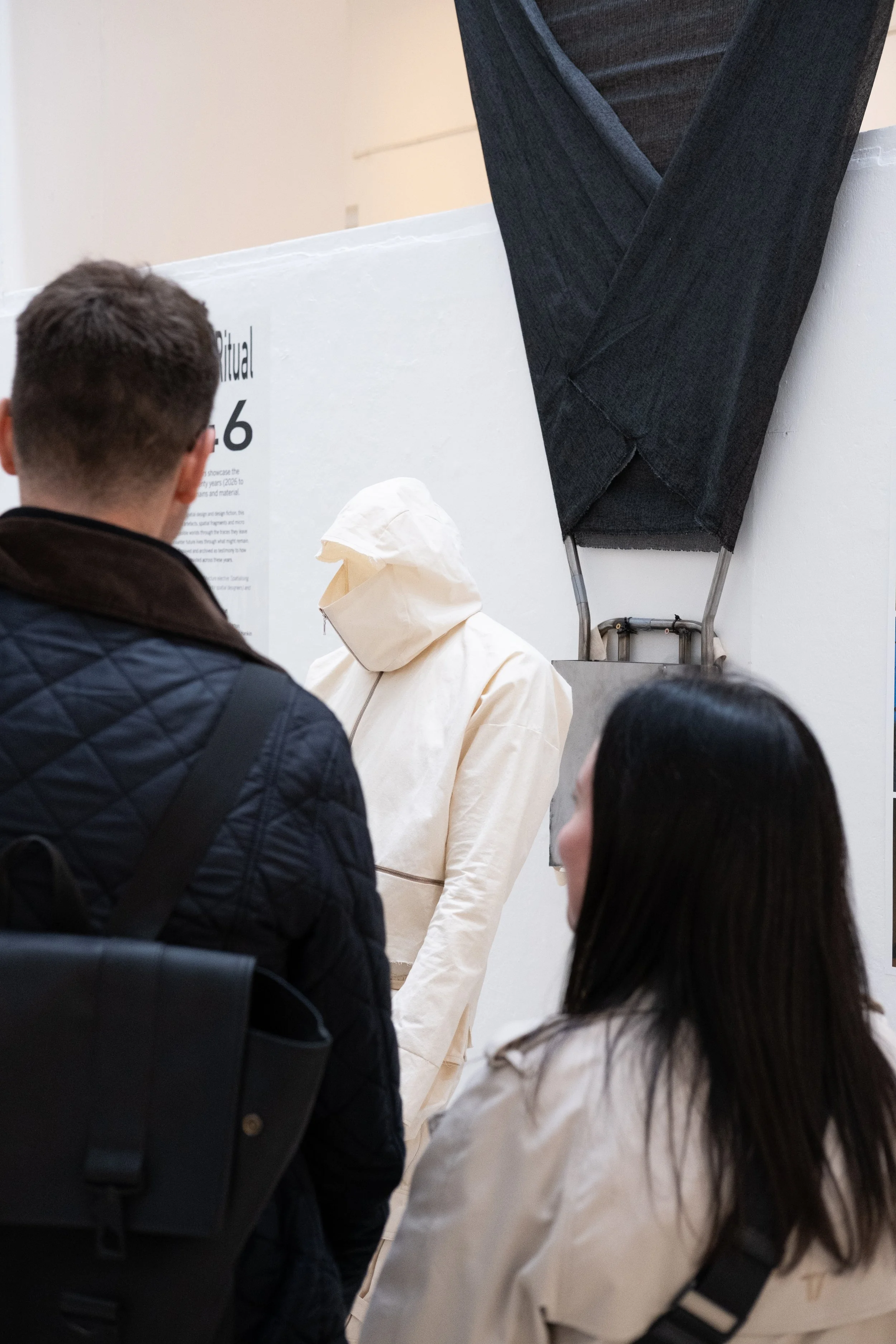
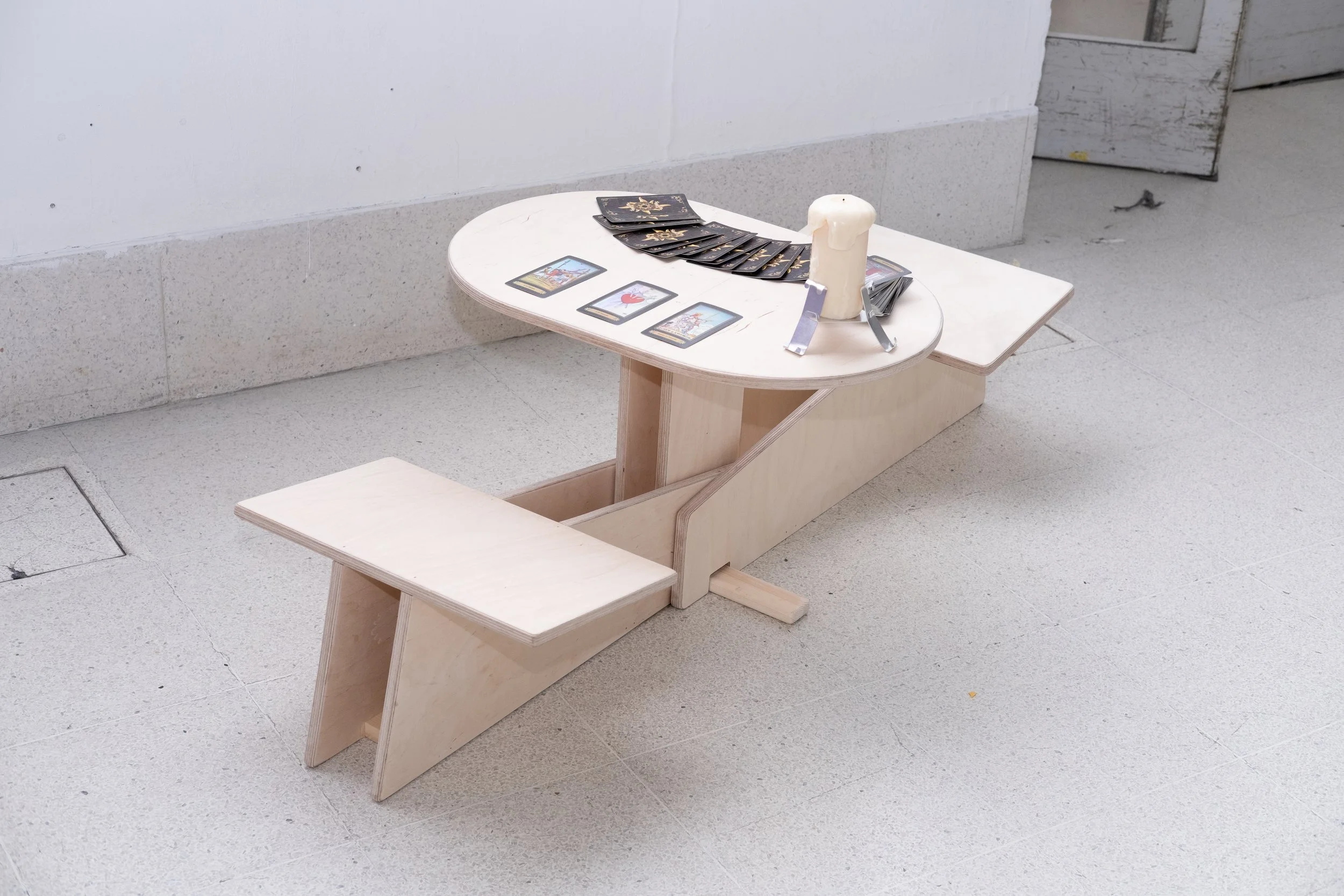
Photographs by Valentin Schmidhuber.
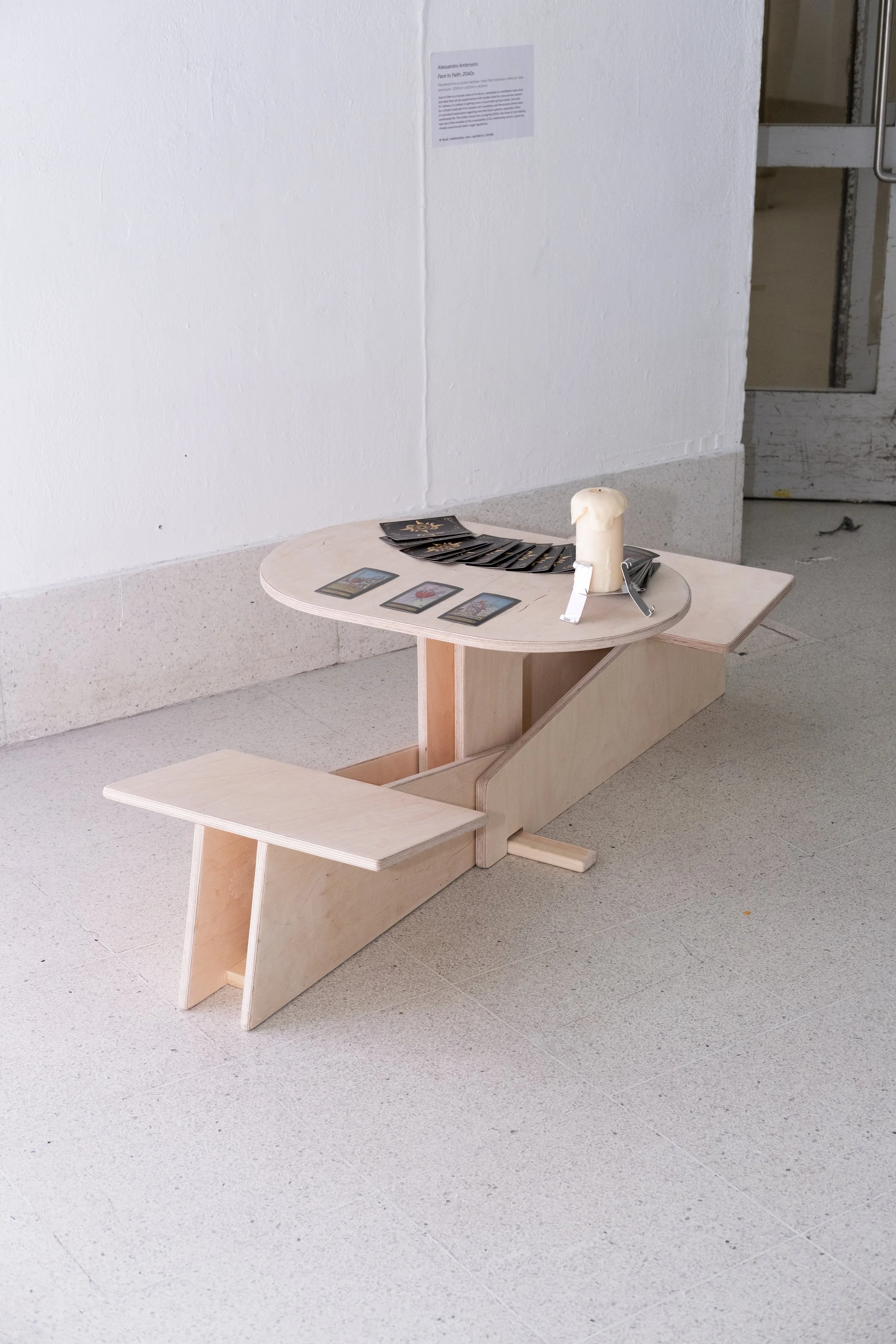
Alessandro Ambrosini
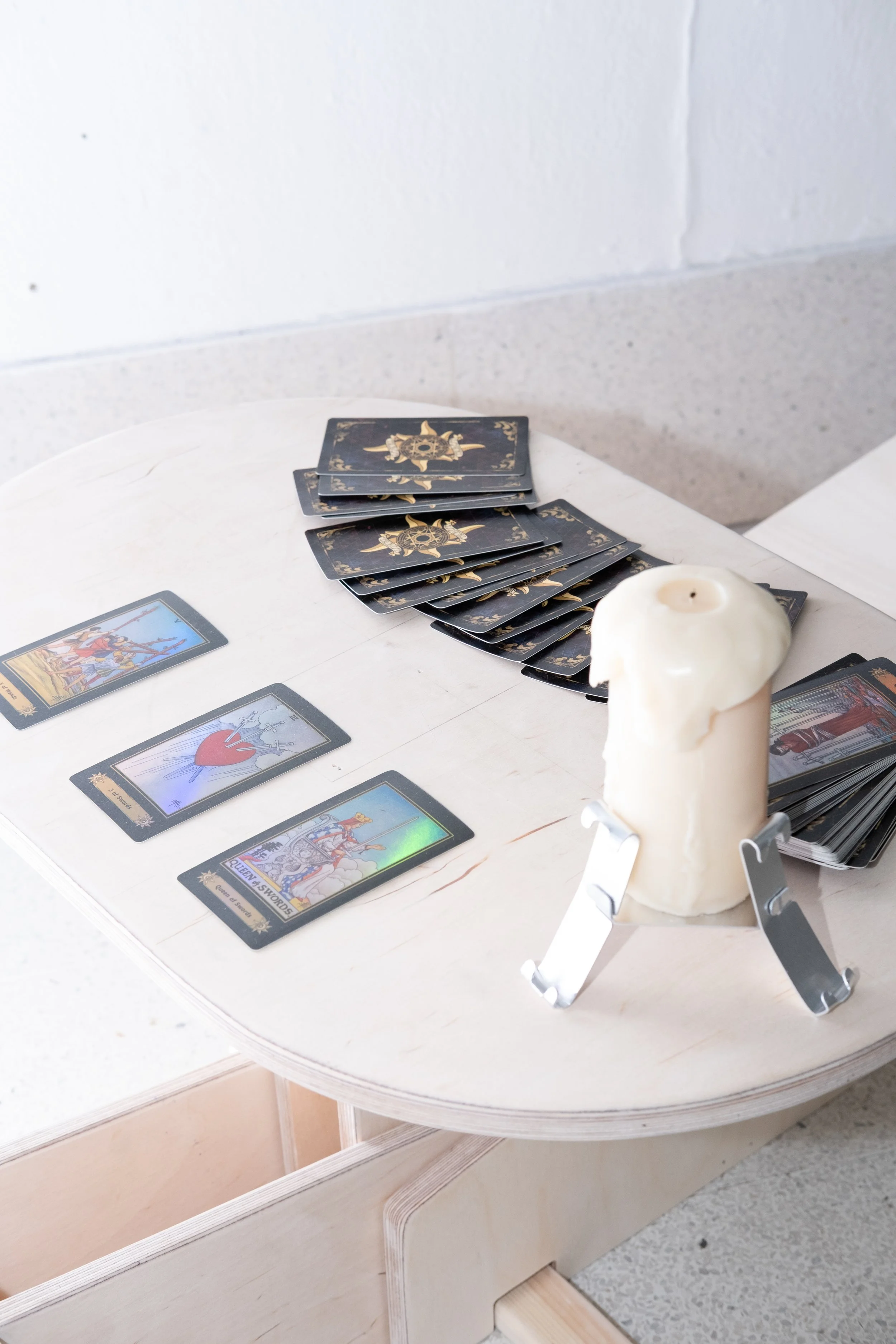
Face to Faith, 2040s
Recovered from a London flat share. Intact. Birch plywood, softwood, steel, aluminium. 1250mm x 600mm x 400mm.
Face to Faith is a modular piece of furniture, constituted of a meditation style stool and table that can be supplemented with another stool for a two-person session. It’s witness of a pattern of getting more in touch with spiritual habits, the need for a ritual to dedicate time towards one’s emotions, and the anxiety-driven need of consistent reassurance regarding what the future upholds, especially within sentimental life. The artefact shows how during the 2040s, the ritual of card reading was one of the remedies to the unavailability of AI’s relationship advice, caused by climate concerns and water usage regulations.
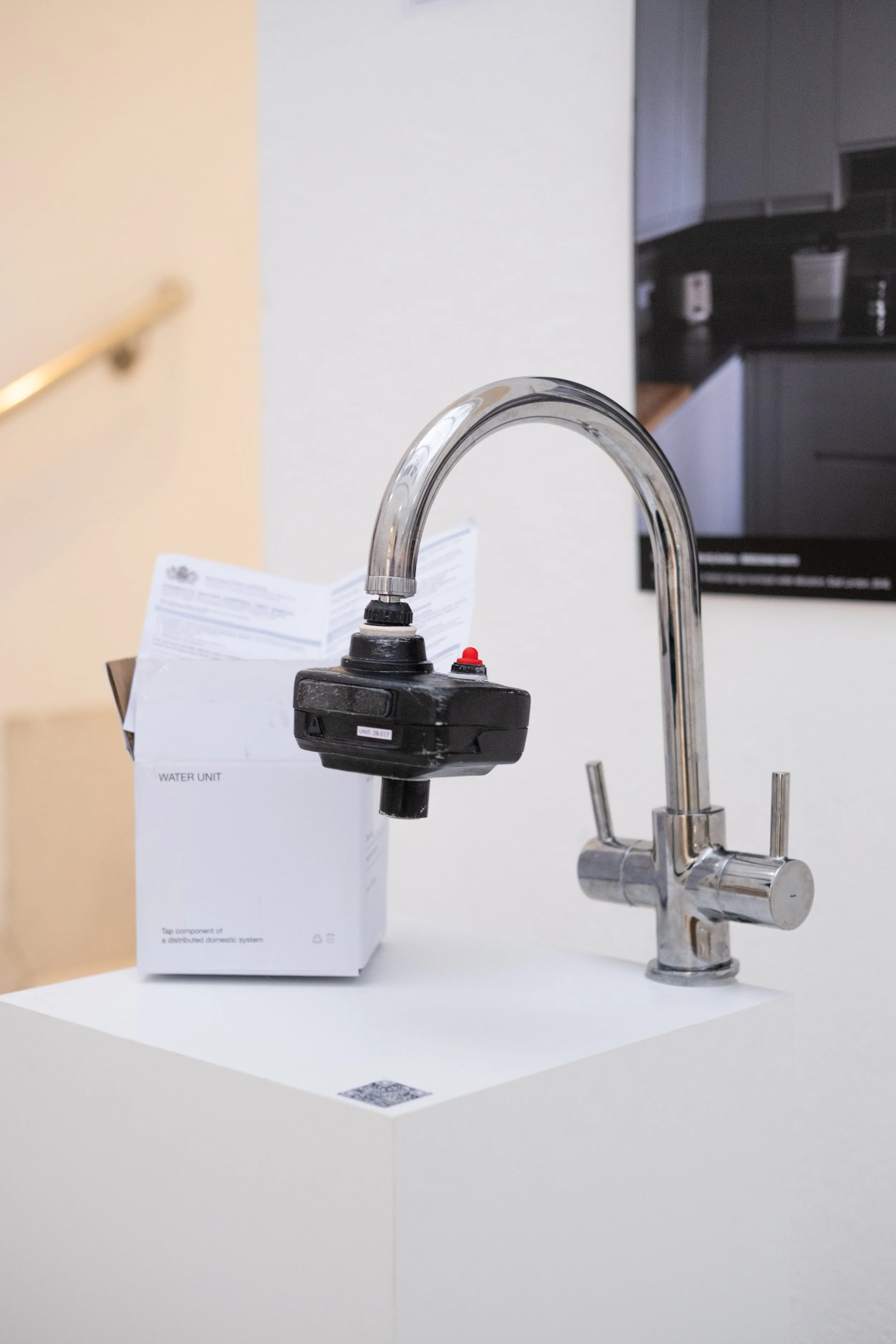
Tamara Bestenheider
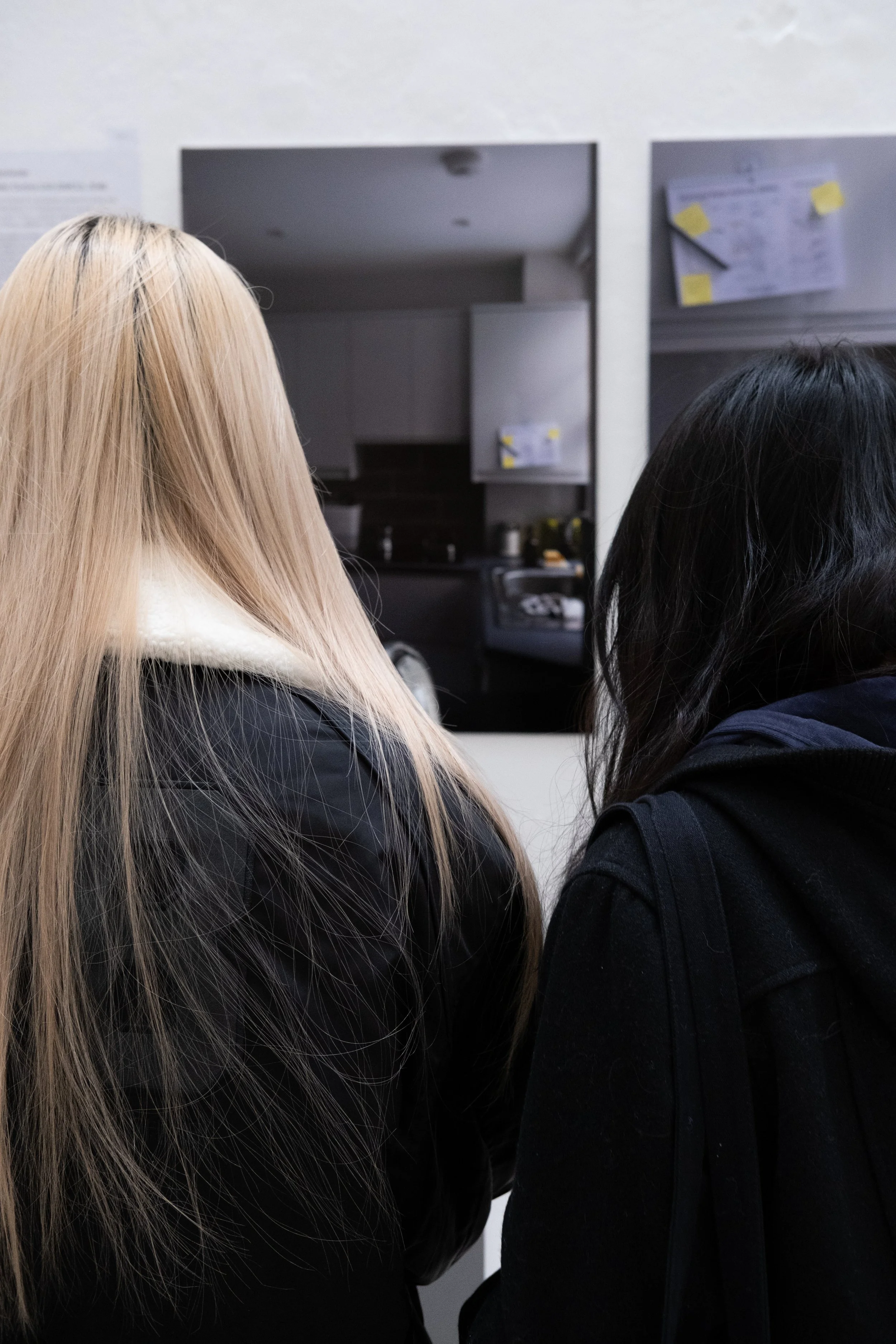
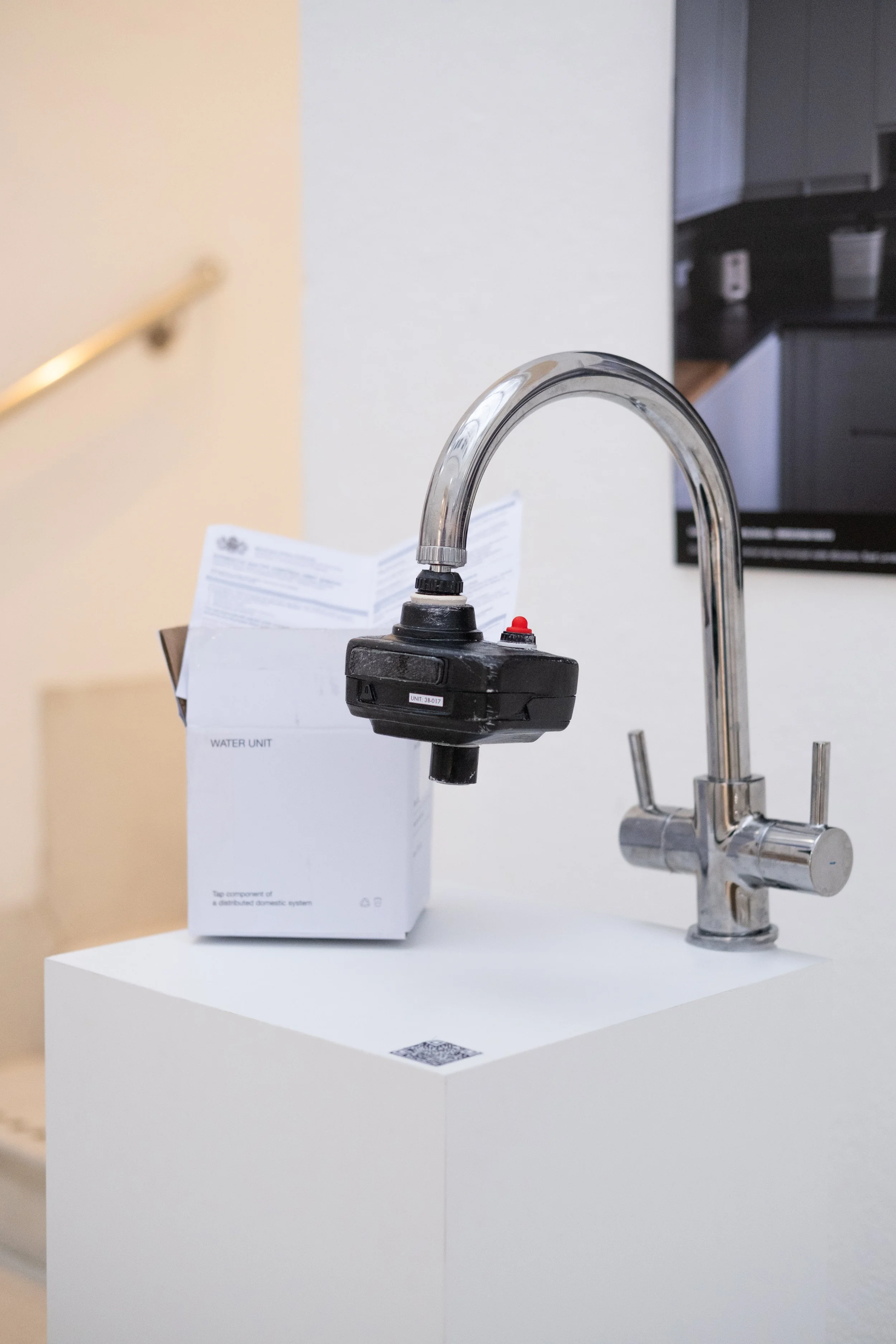
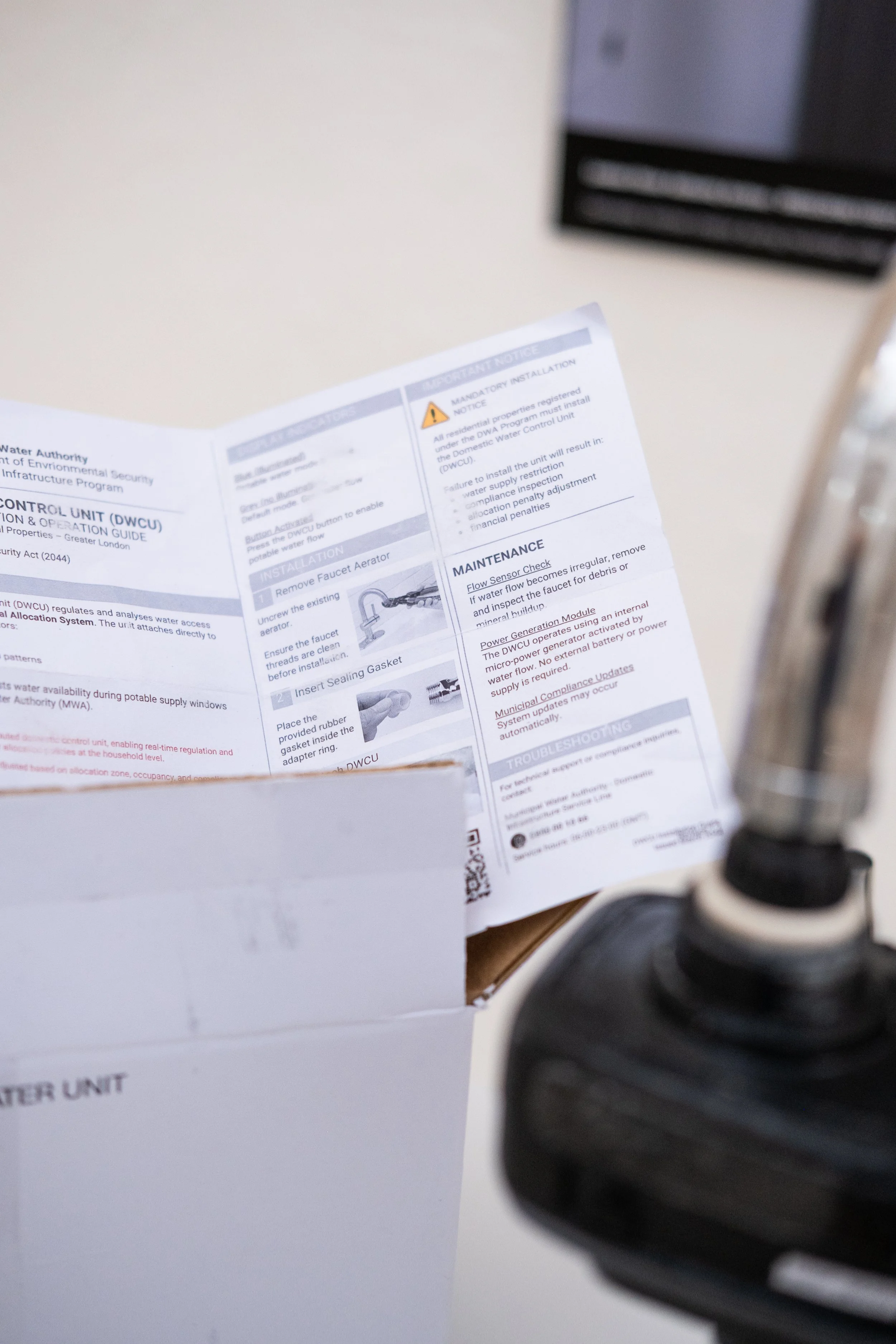
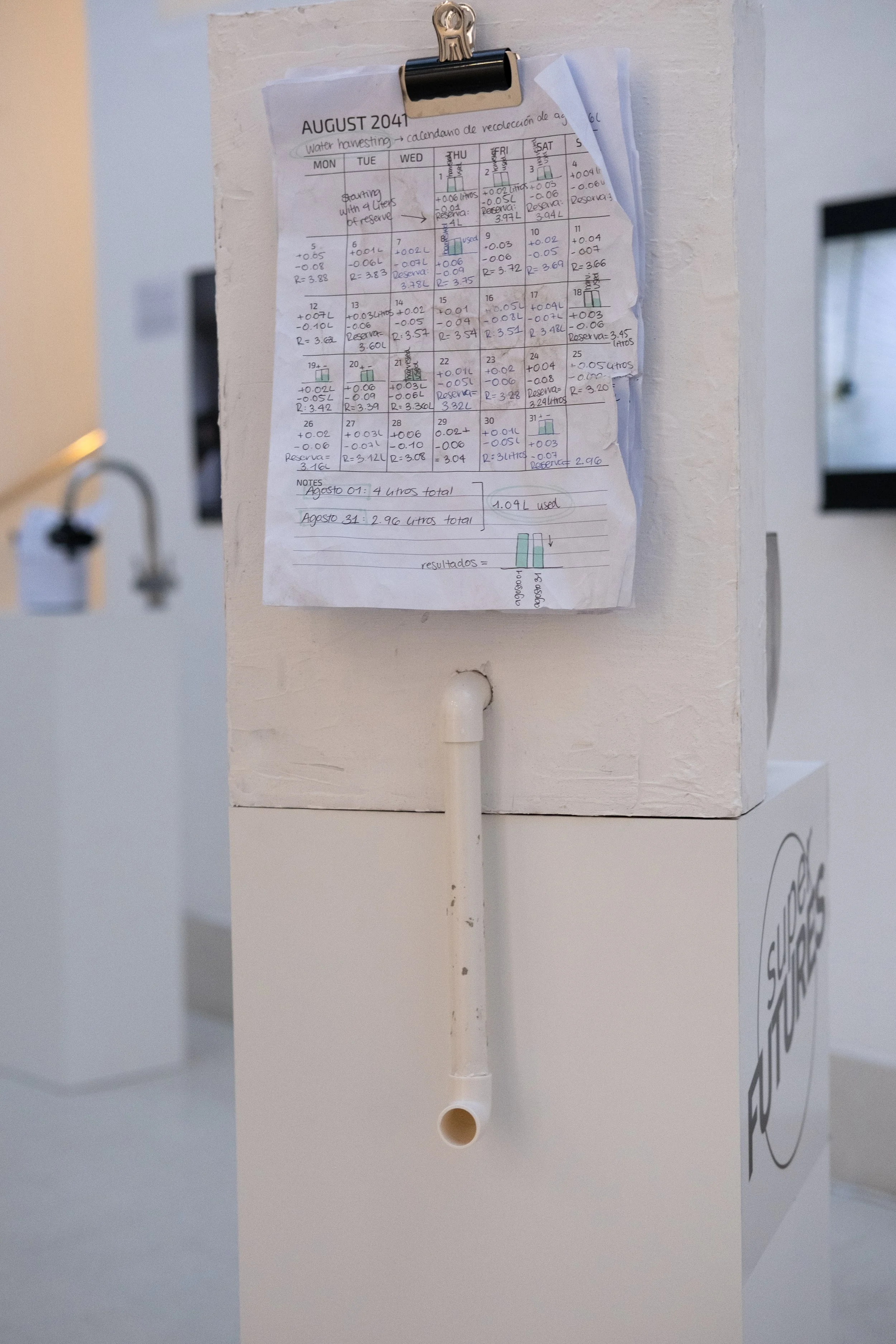
Domestic Water Control Unit (DWCU), 2046
Recovered intact from kitchen in a mid-density residential building, East London. Paper, modified faucet (composite polymer housing, hydro- responsive coating, shape-memory alloy flow regulation valve, micro-turbine generator). 300mm x 420mm x 594mm.
These photographs document a domestic kitchen at a time when municipal water allocation regulated household use. Government schedules and devices became part of daily routines, shaping how residents planned and used water at home, bringing environmental policy into ordinary domestic spaces. Grey water was supplied by default with periodic interruptions. Access to potable water required manual activation using the retrofit device. This artefact shows how in 2046, access to water was no longer taken for granted and regulation came into the home.
Silin Chen
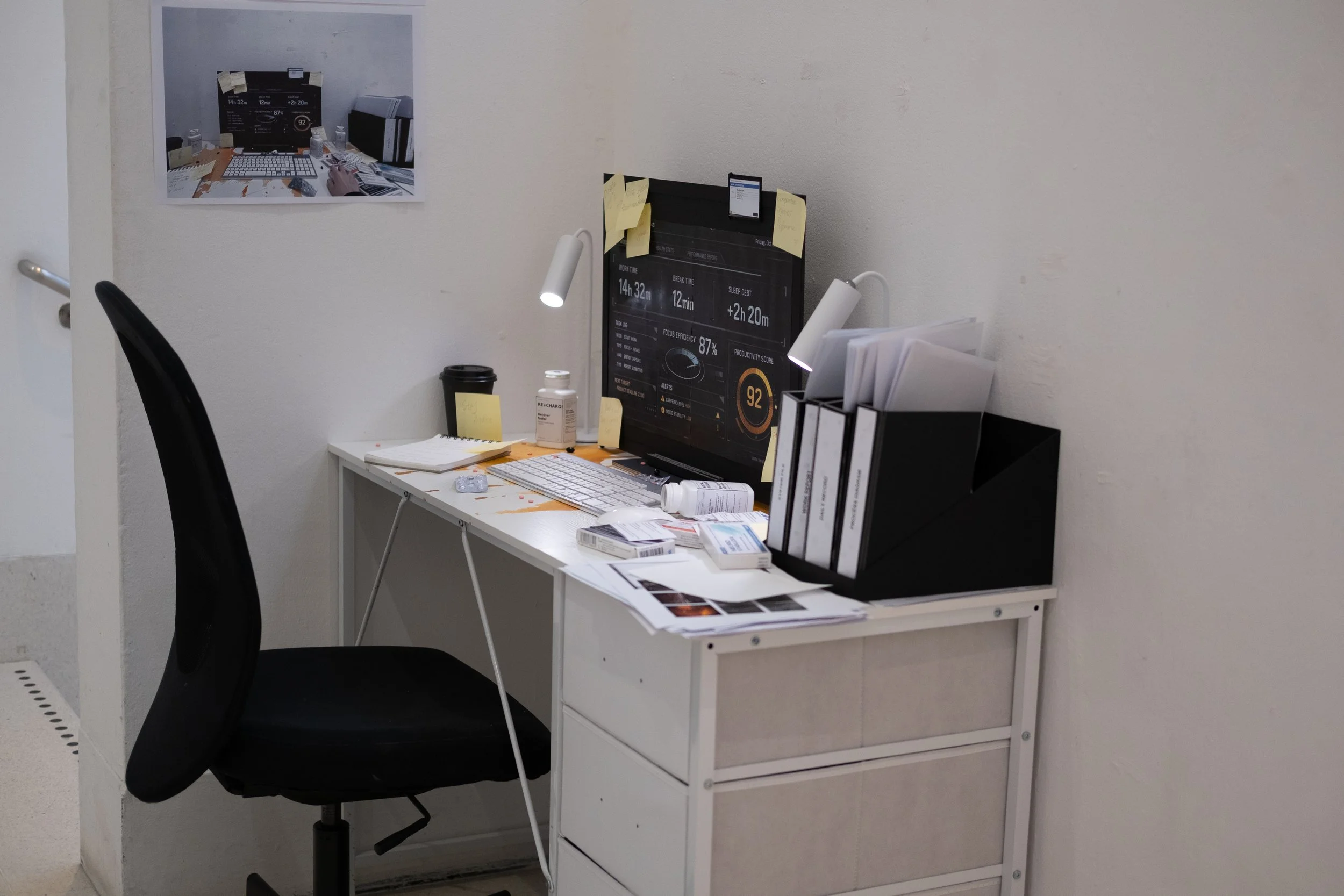
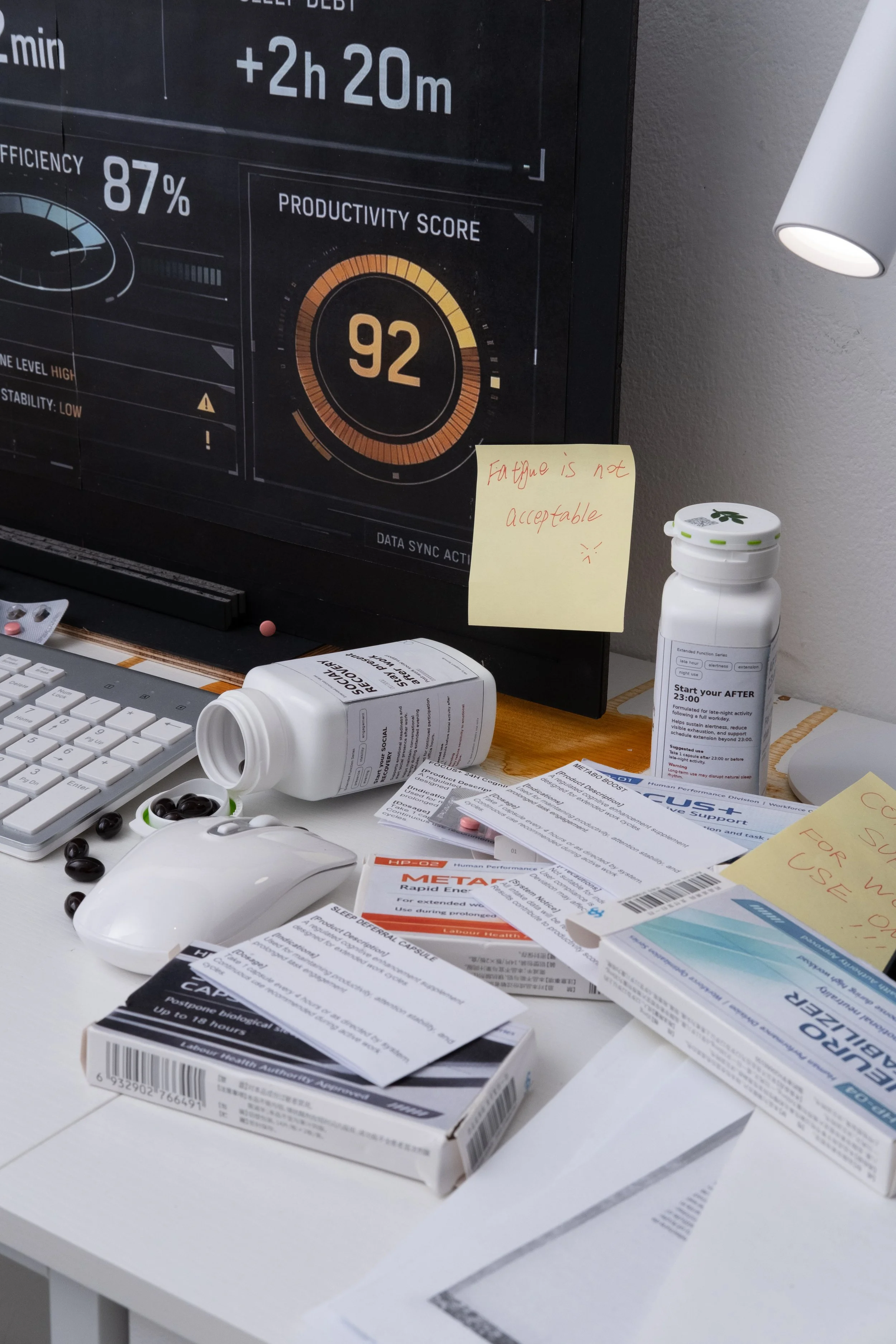
Desk, 2046
Recovered from office unit in Canary Wharf, London, UK. Degraded condition. Assorted materials. 1200mm x 750mm x 500mm. This installation shows a desk unit used during extended work cycles in 2046 to activate labour through identity docking and chemical supplementation. It shows how labour had become continuously monitored with the worker’s body becoming increasingly managed and optimised in the name of efficiency. There is localised surface abrasion, indicating repetitive physical engagement. The desk demonstrates that by 2046, workspaces had become material records of enforced productivity.
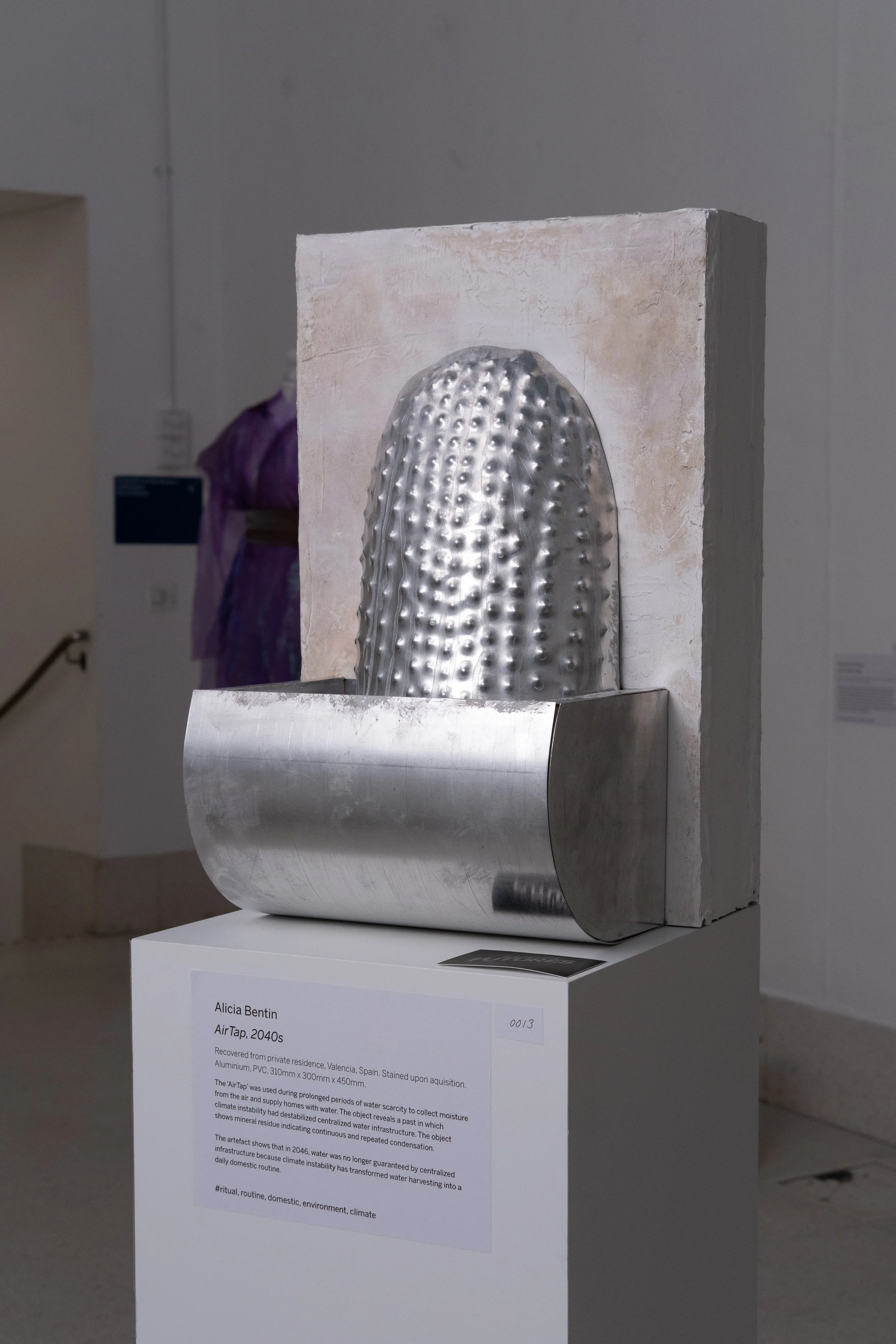
Alicia Bentin
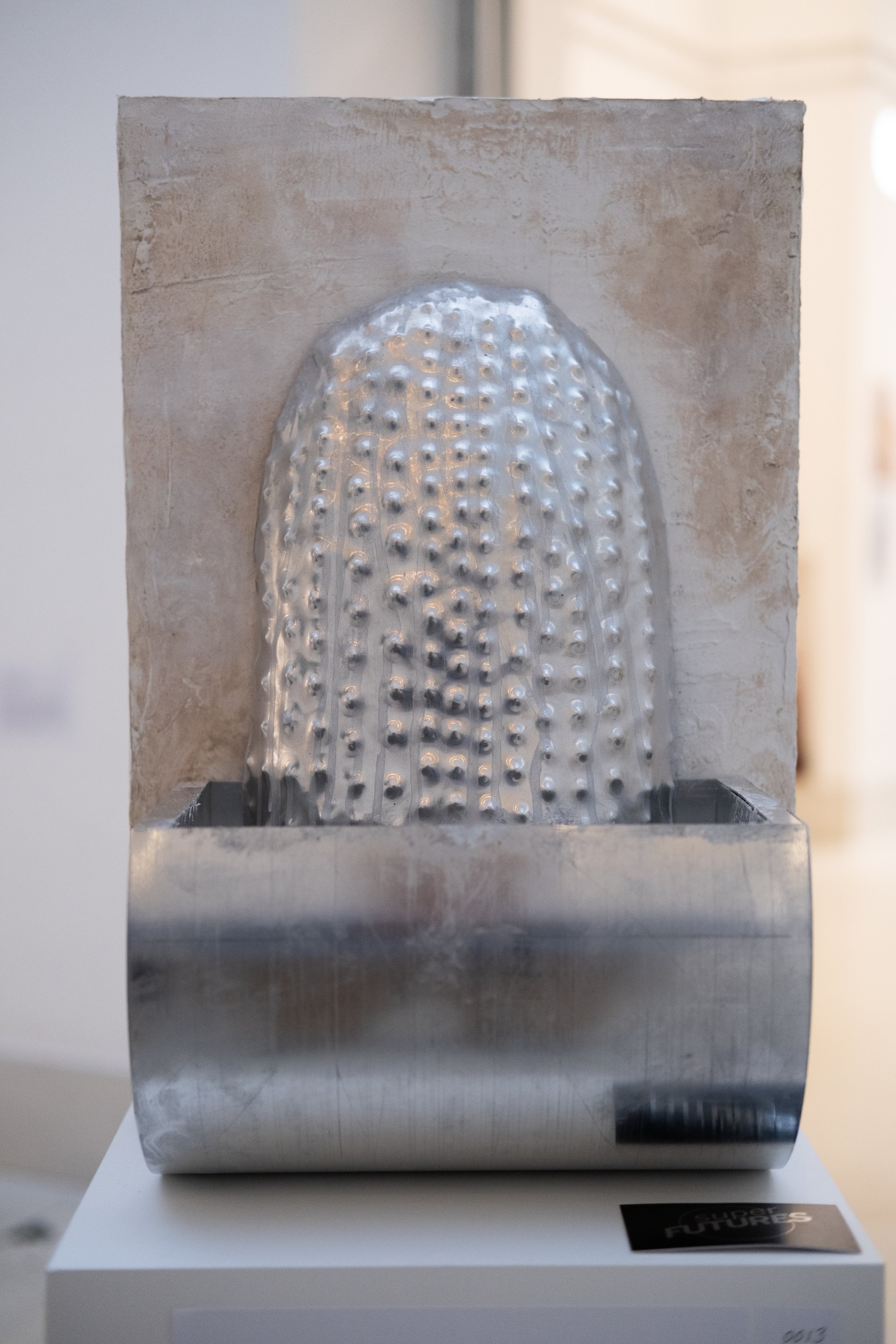
AirTap, 2040s
Recovered from private residence, Valencia, Spain. Stained upon acquisition. Aluminium, PVC. 310mm x 300mm x 450mm.
The ‘AirTap’ was used during prolonged periods of water scarcity to collect moisture from the air and supply homes with water. The object reveals a past in which climate instability had destabilised centralised water infrastructure. The object shows mineral residue indicating continuous and repeated condensation. The artefact shows that in 2046, water was no longer guaranteed by centralised infrastructure because climate instability has transformed water harvesting into a daily domestic routine.
Siddhant Garg
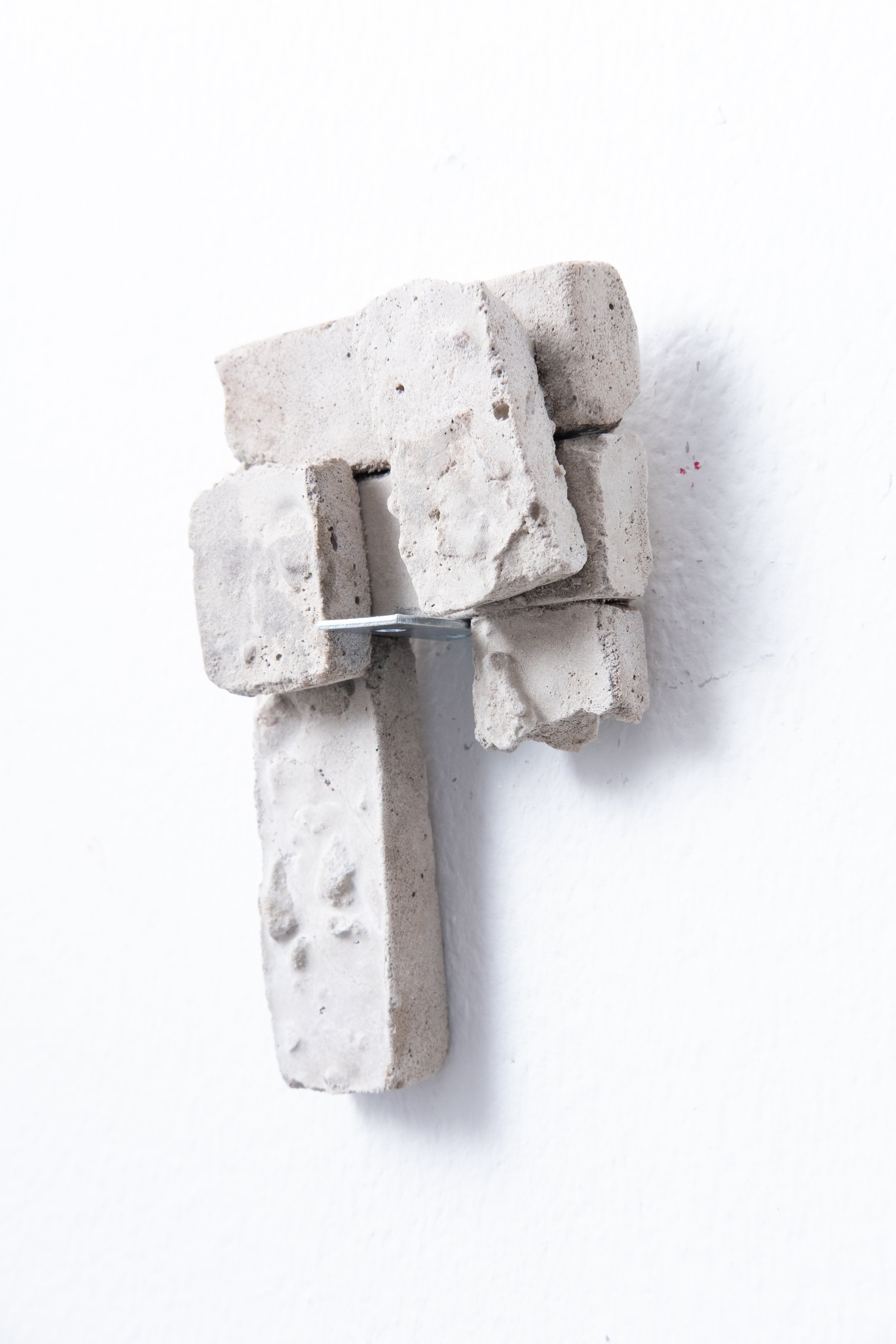
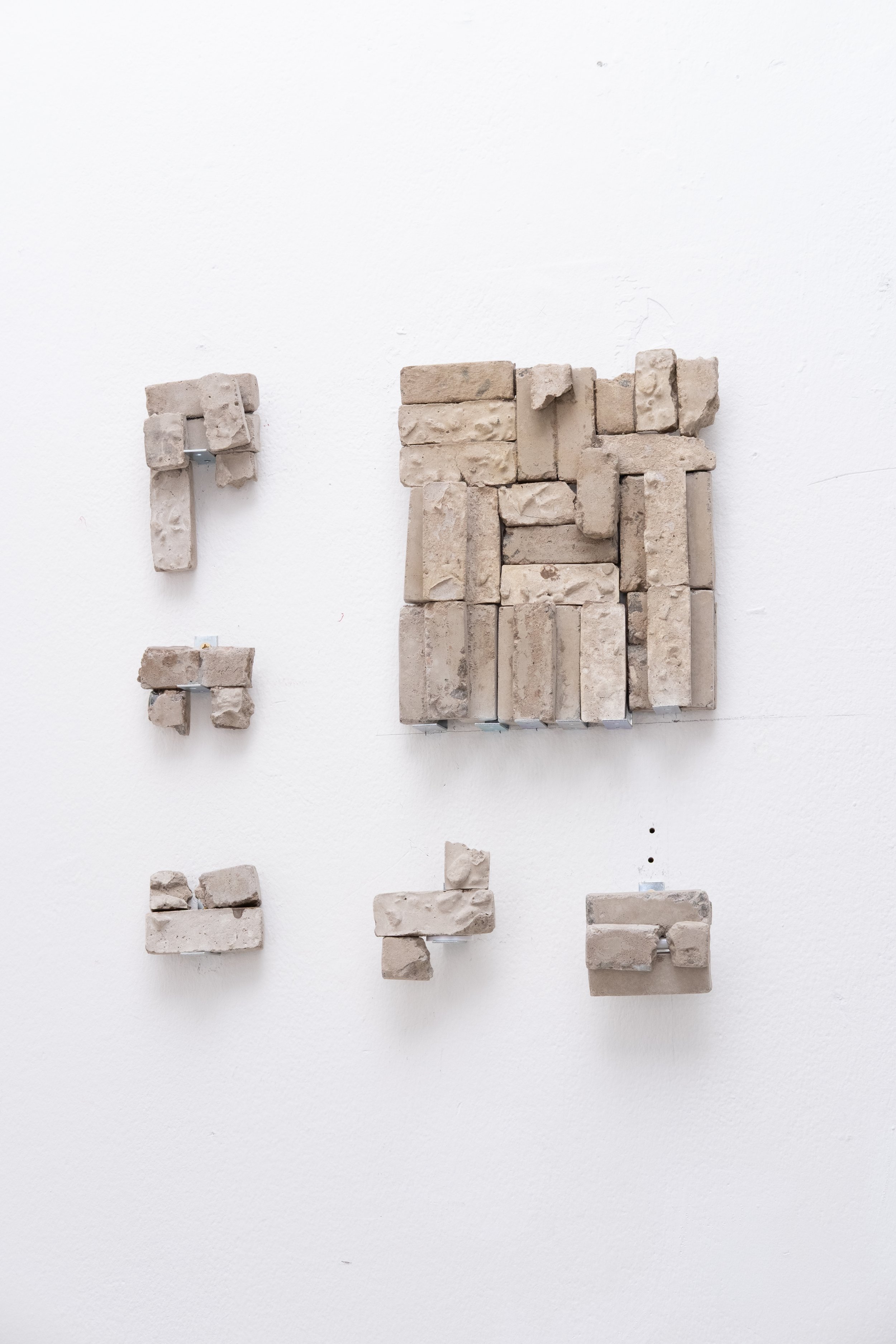
Residual Skin, 2040s
Private residence facade fragment, Delhi, India. Partial condition. Composite concrete made from domestic water. 220mm x 240mm x 75mm.
This facade element shows a past where clean water could no longer used for construction. Instead, the building relied on reused household water. Each tile was adjusted or replaced over time as the material wore down. The surface shows signs of use, failure, and constant fixing instead of looking complete. In this condition, construction is no longer a one-time process but an ongoing routine. Work shifts from making to maintaining. The facade keeps changing over time, shaped by scarcity and adaptation.
Maria Rahal
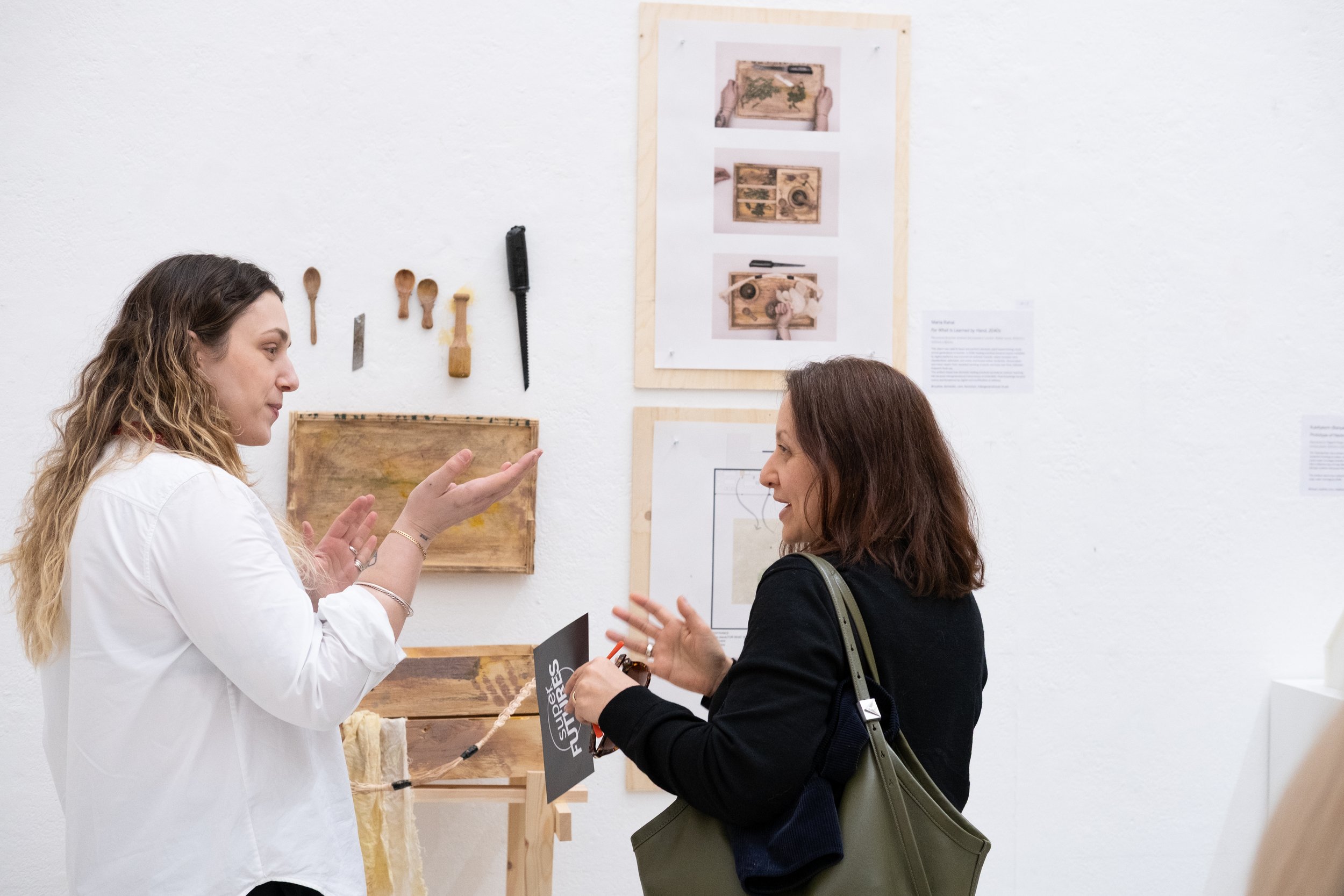
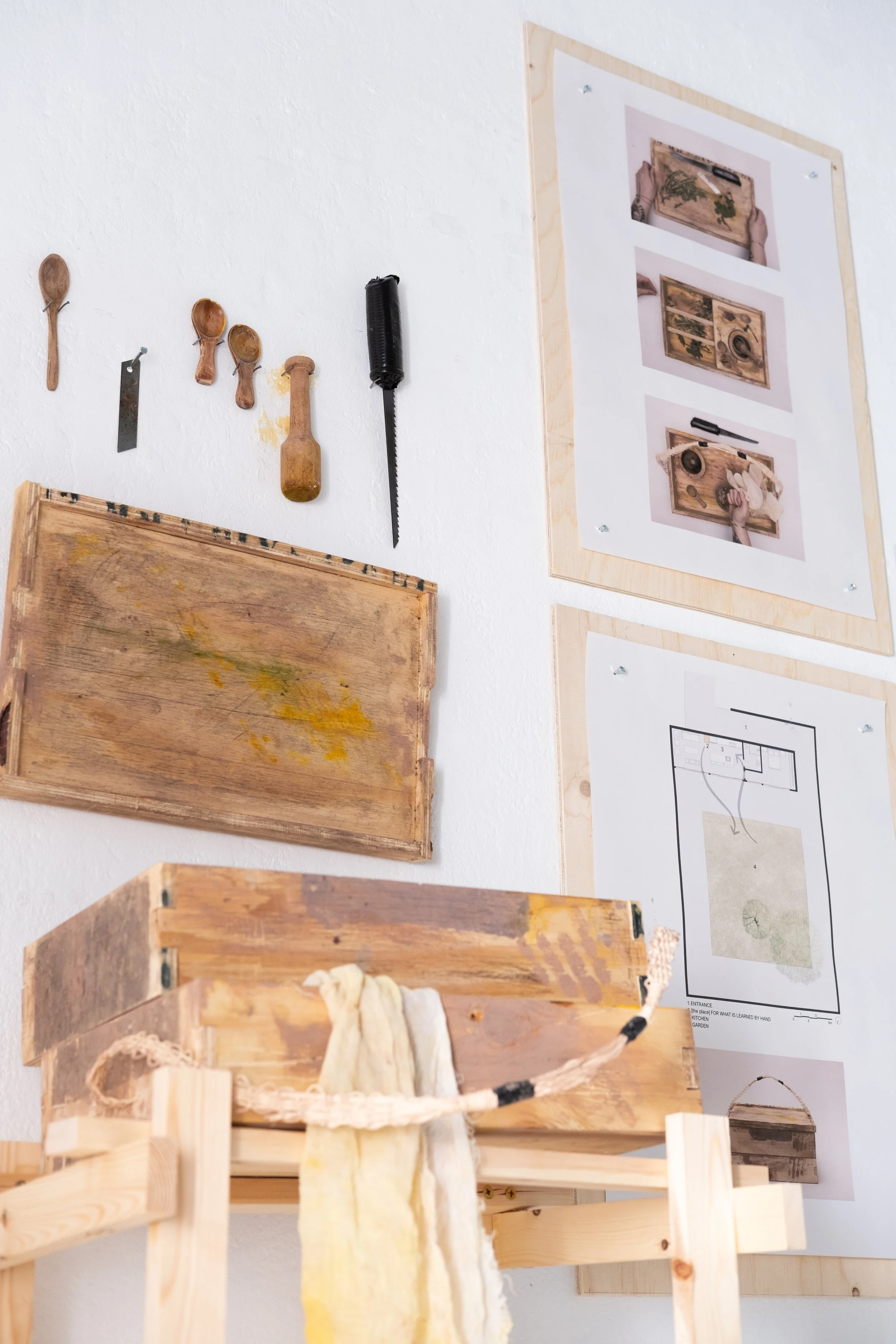
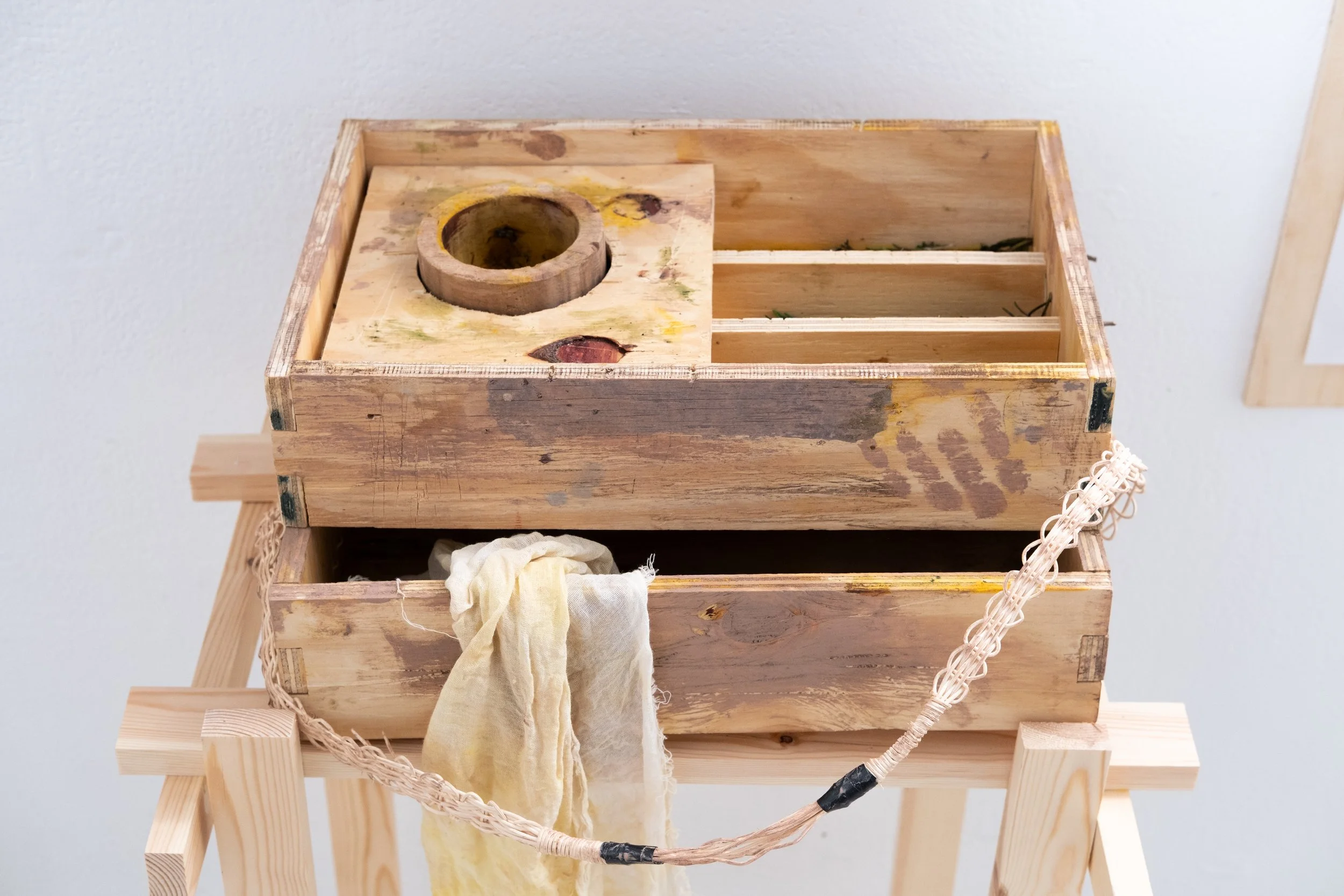
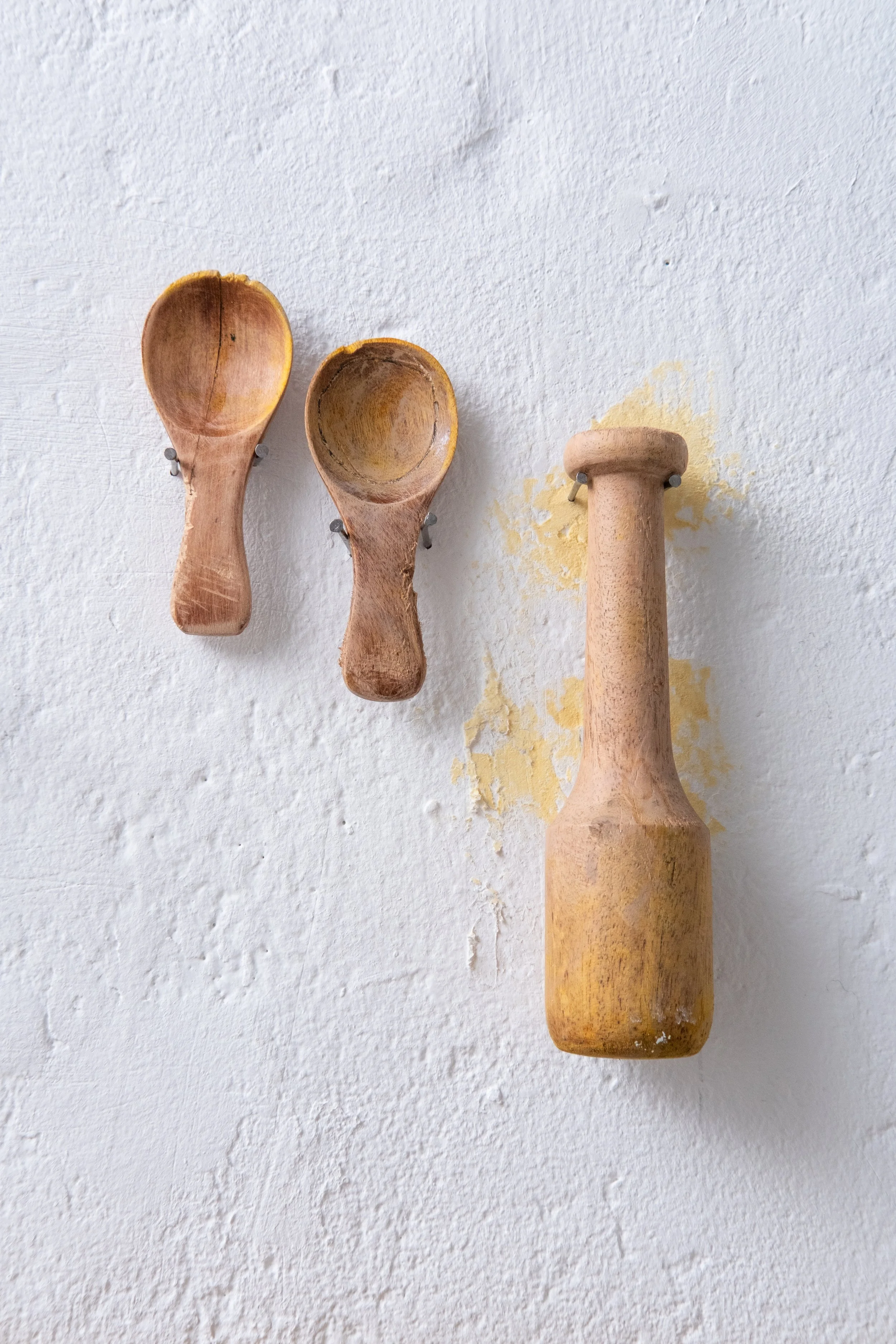
For What Is Learned by Hand, 2040s
Recovered Brazilian artefact discovered in London. Rotten wood. 400mm x 300mm x 80mm.
This object was used to teach and perform domestic plant-based healing rituals across generations of women. In 2046, healing practices became heavily mediated by digital platforms and commercial wellness markets, where remedies were standardised, optimised, and widely distributed online. Scratches, discolouration and minor repairs from repeated handling of plants and tools over time, indicated frequent ritual use. This artefact shows how domestic healing practices survived as modular teaching kits because intergenerational transmission of embodied, ritual knowledge became scarce and threatened by digital commodification of wellness.
KukKyeom (Banyan) Kim
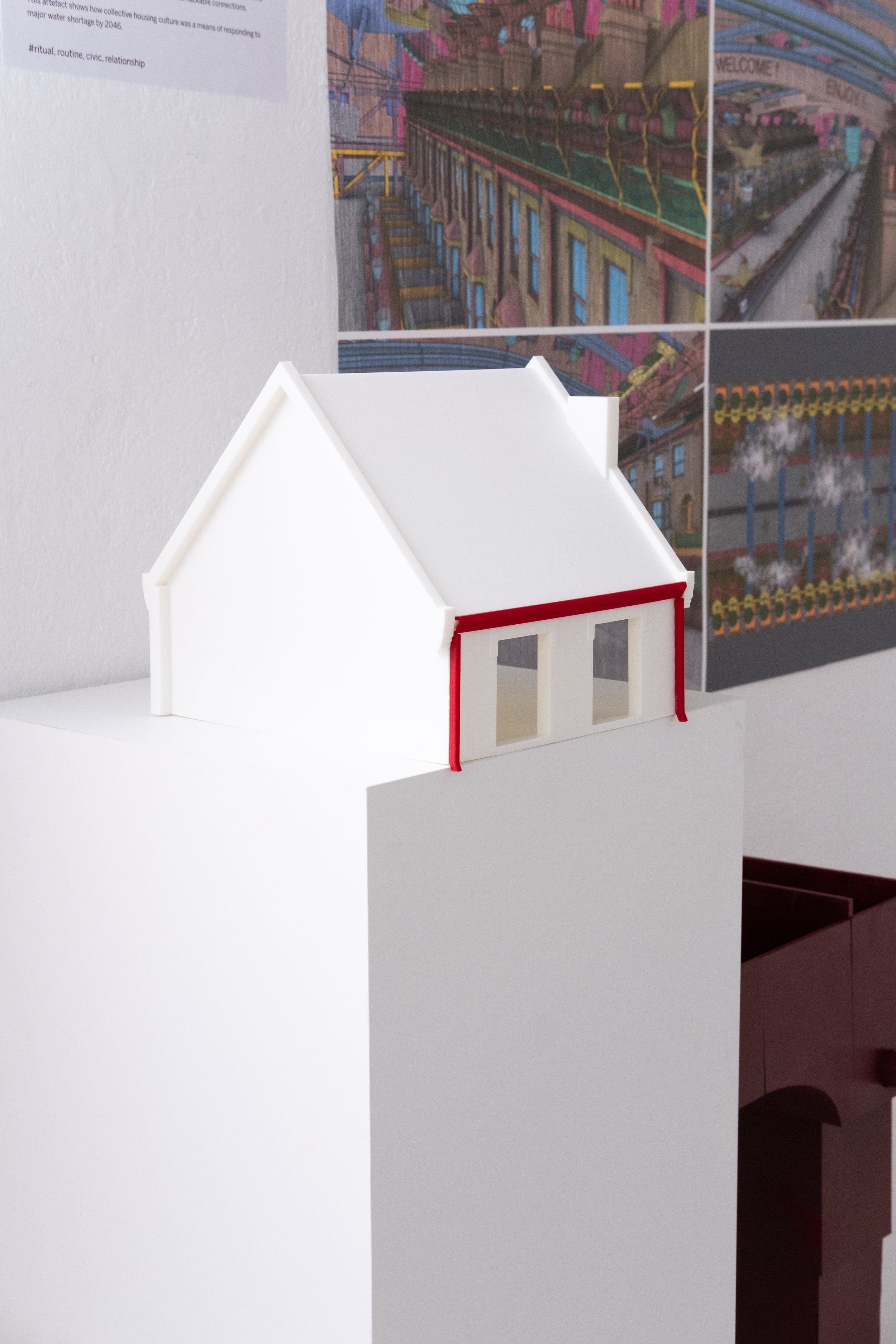
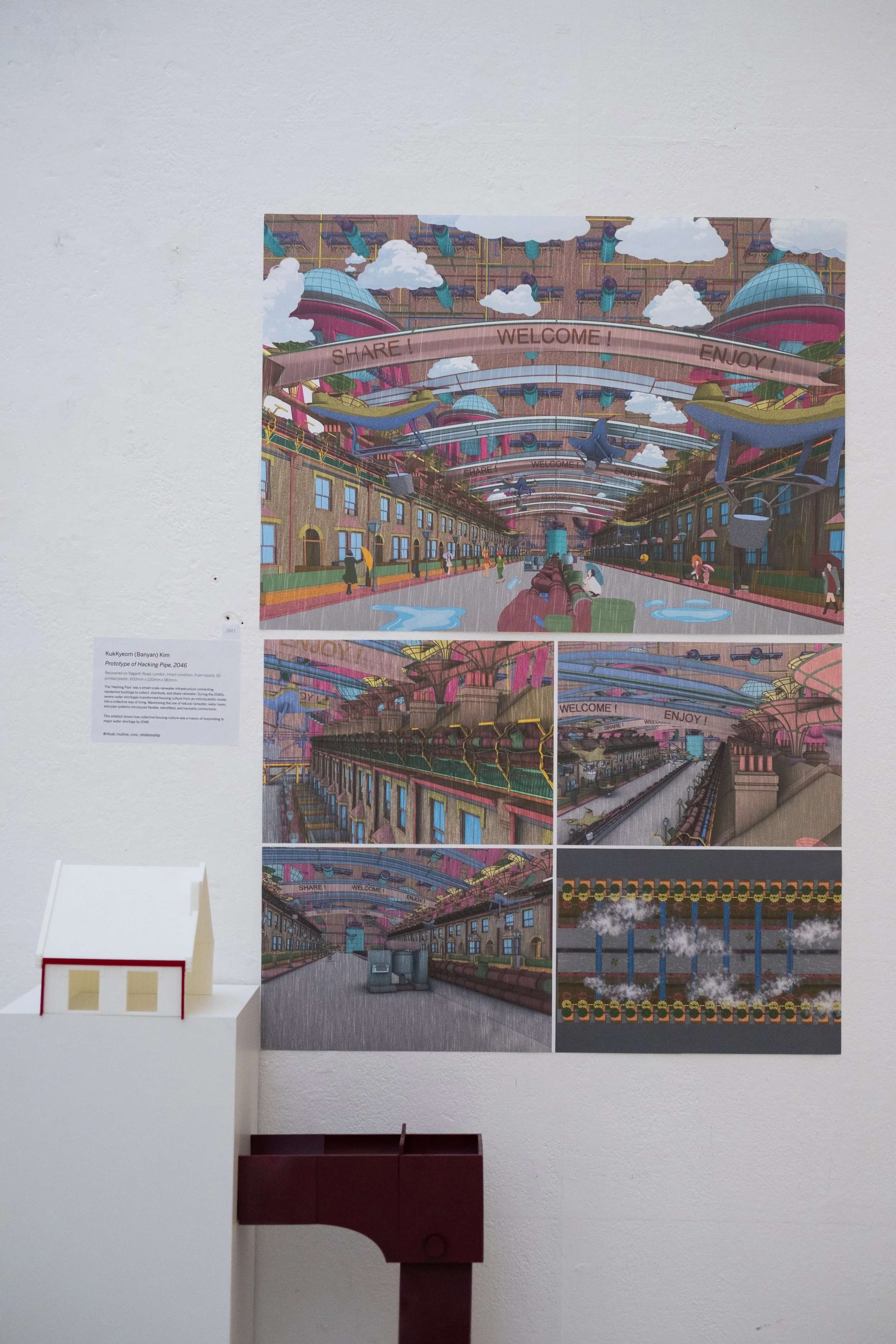
Prototype of Hacking Pipe, 2046
Recovered on Talgarth Road, London. Intact condition. Foam board, 3D printed plastic. 600mm x 220mm x 180mm.
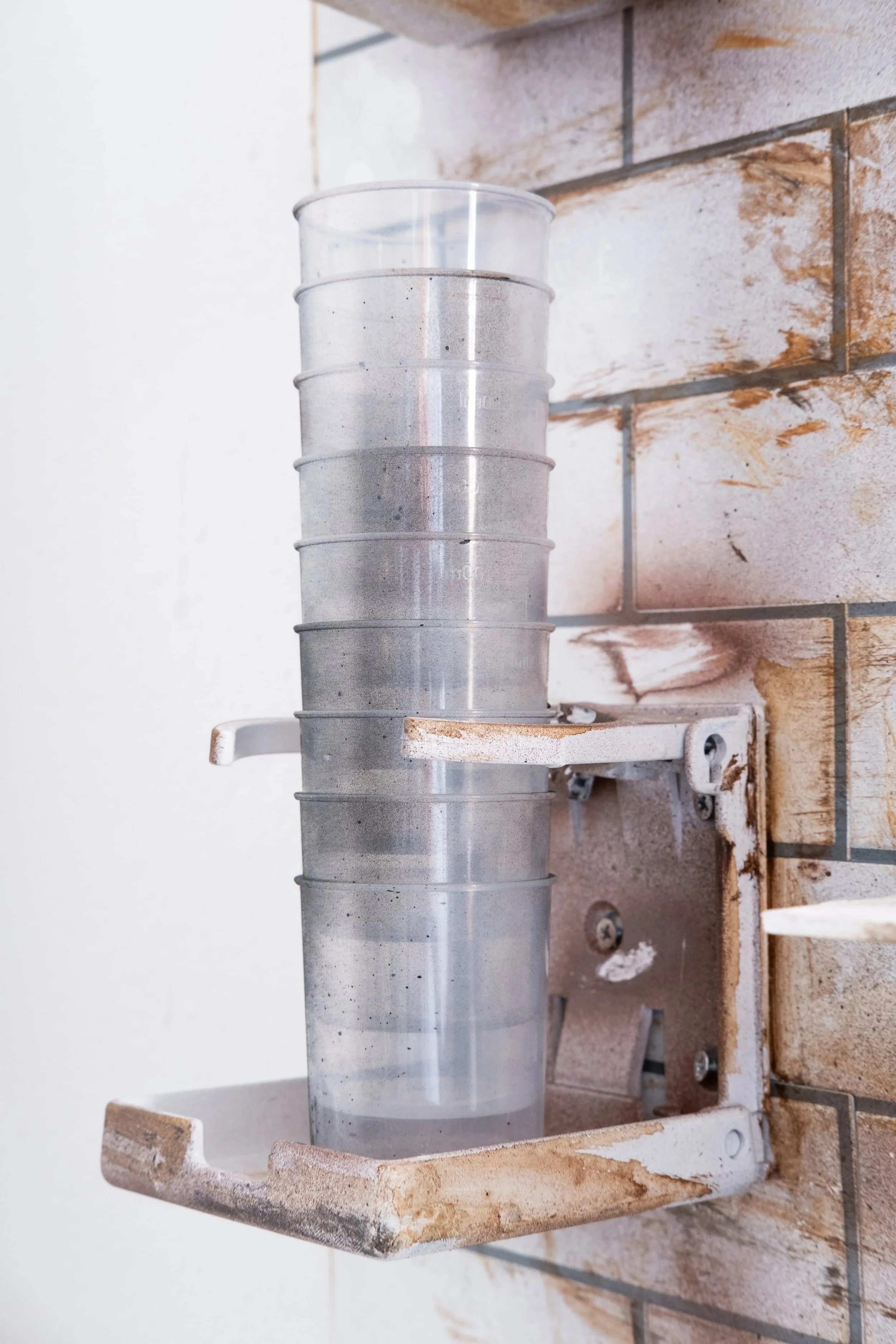
The ‘Hacking Pipe’ was a street-scale rainwater infrastructure connecting residential buildings to collect, distribute, and share rainwater. During the 2040s, severe water shortages transformed housing culture from an individualistic model into a collective way of living. Maximising the use of natural rainwater, water tanks and pipe systems introduced flexible, retrofitted, and hackable connections. This artefact shows how collective housing culture was a means of responding to major water shortage by 2046.
Bernedetta Pasquarelli
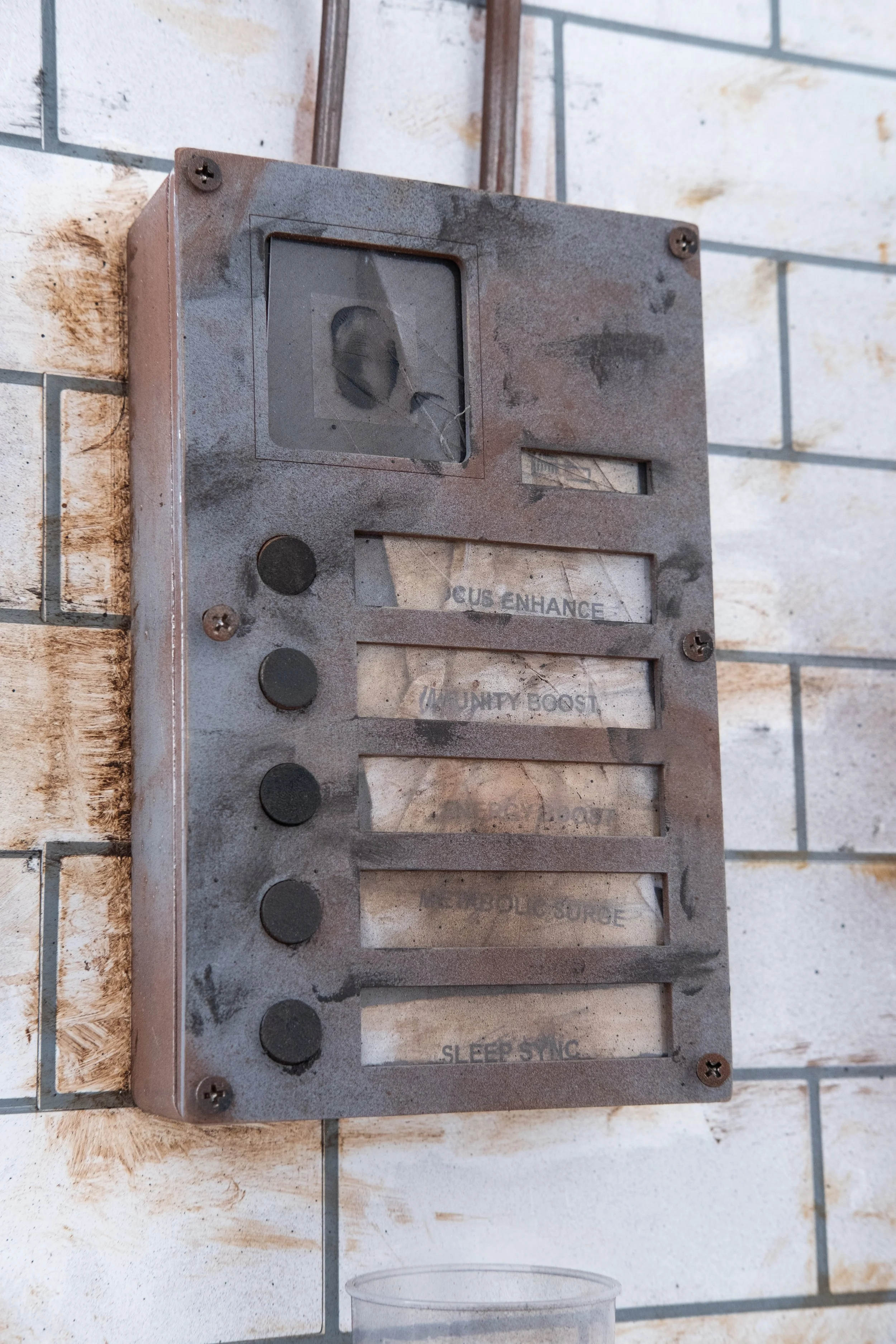
Adaptive Hydration System, 2046
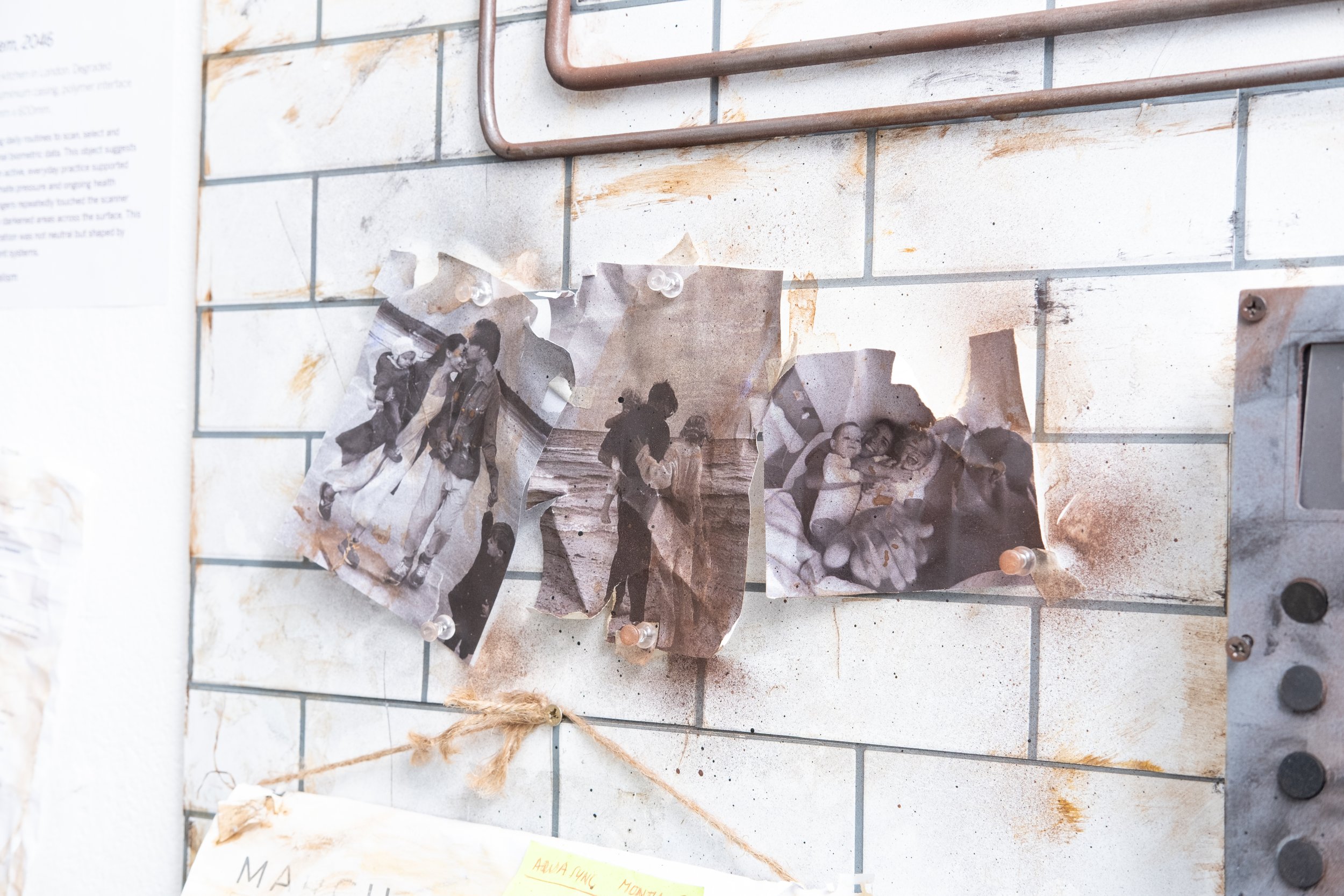
Recovered from a privately rented flat kitchen in London. Degraded condition upon acquisition. Brushed aluminium casing, polymer interface panel, biometric sensor surface. 420mm x 600mm.
A domestic hydration interface used during daily routines to scan, select and dispense enhanced water based on personal biometric data. This object suggests a time when maintaining health became an active, everyday practice supported by domestic technology in response to climate pressure and ongoing health anxiety. The panel is visibly worn where fingers repeatedly touched the scanner and buttons, leaving smoother and slightly darkened areas across the surface. This artefact shows that in 2046, everyday hydration was not neutral but shaped by data, anxiety and personalised enhancement systems.
Liwen Zhang
Time Bank, c.2045
Recovered from the kitchen area of an apartment in South Quay Plaza, Canary Wharf, London, United Kingdom. Well preserved. Micro cement, plywood, acrylic, stainless steel. 1000mm x 600mm x 350mm.
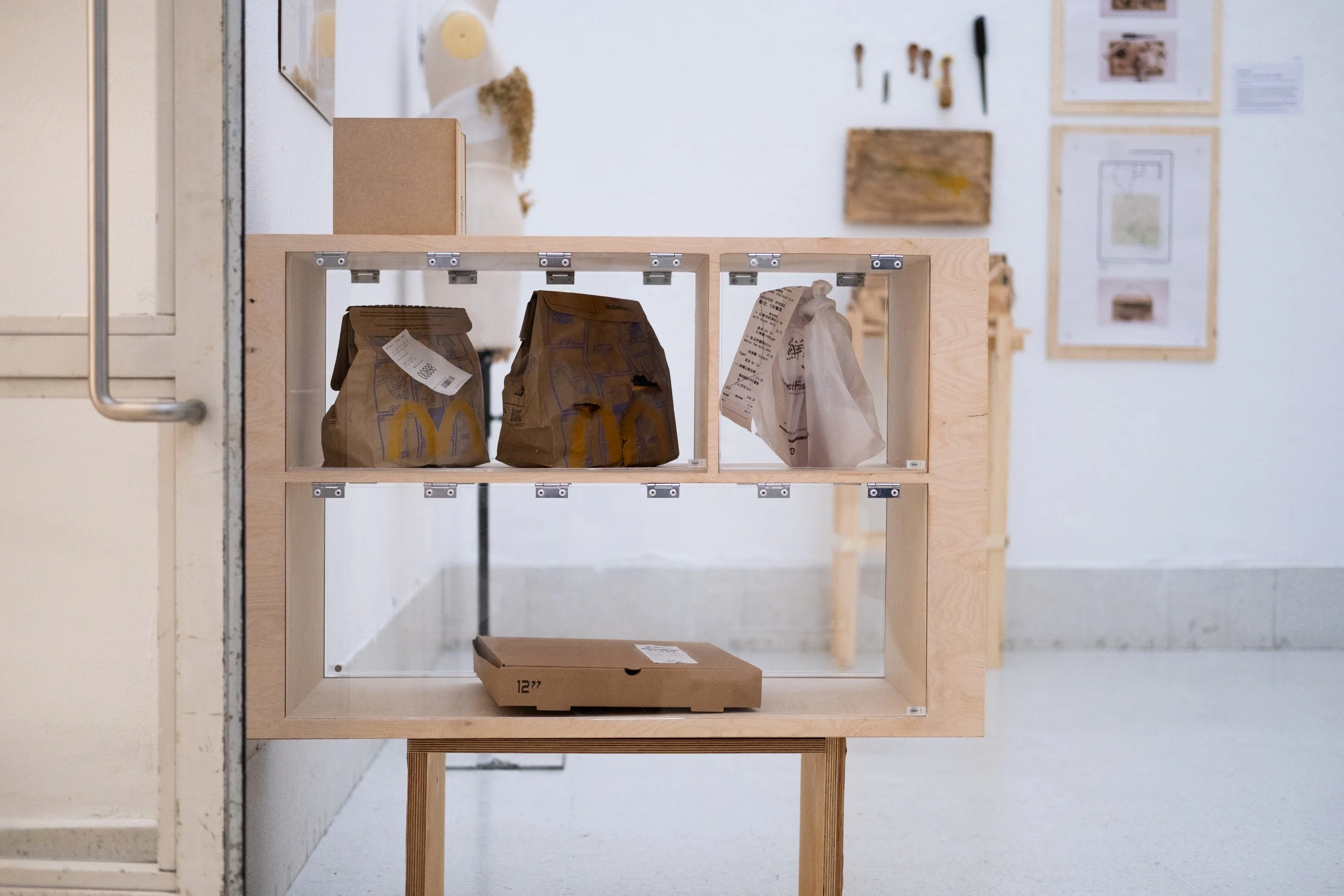
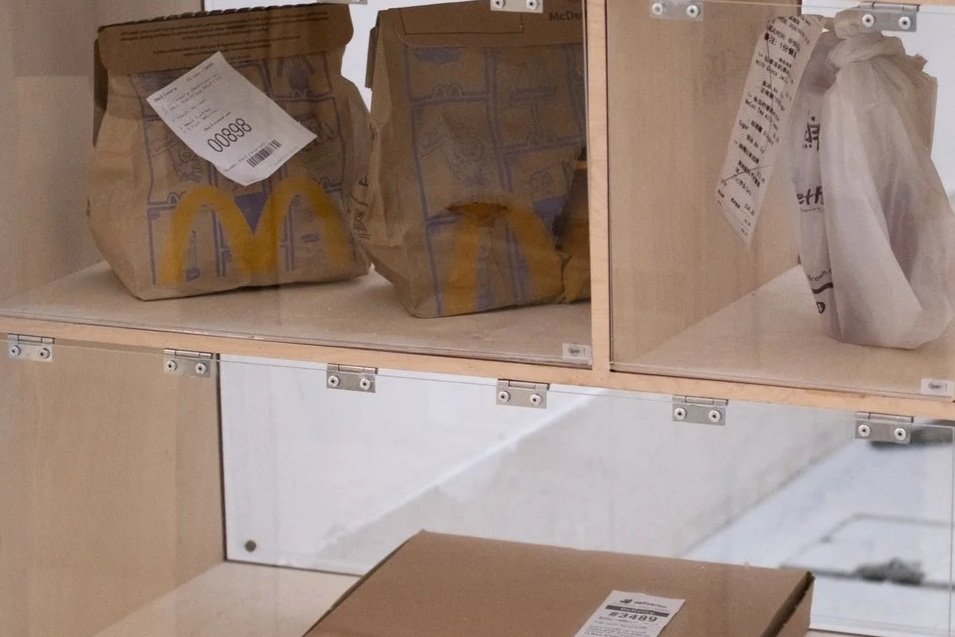
This installation presents a speculative reconstruction of the ‘time bank’; a domestic infrastructure that replaced the traditional kitchen and reorganised everyday life around outsourced food provision, automated delivery, and time- saving routines. The way the kitchen has reduced in size and reorganised around the ‘takeaway wall’ suggests a time when food preparation no longer defined the kitchen, and domestic space was redesigned around convenience, efficiency, and time recovery.